%201.svg)
Blogs
FATIGUE MANAGEMENT &
IMPAIRMENT DETECTION

To Manage Worker Performance, Measure Worker Performance
Impairment testing and fatigue management have begun to gain acceptance in the workplace safety and productivity arena as the connection between safety and worker performance is becoming more widely recognized. But unlike Predictive Safety's AlertMeter® and PRISM platforms, other fitness-for-duty tools often focus on measuring biomarkers that provide information that is a step or two removed from the information that is desired, and this is simply confirmation that employees are unimpaired at work.

Using Technology to Evolve Safety Culture in the Workplace
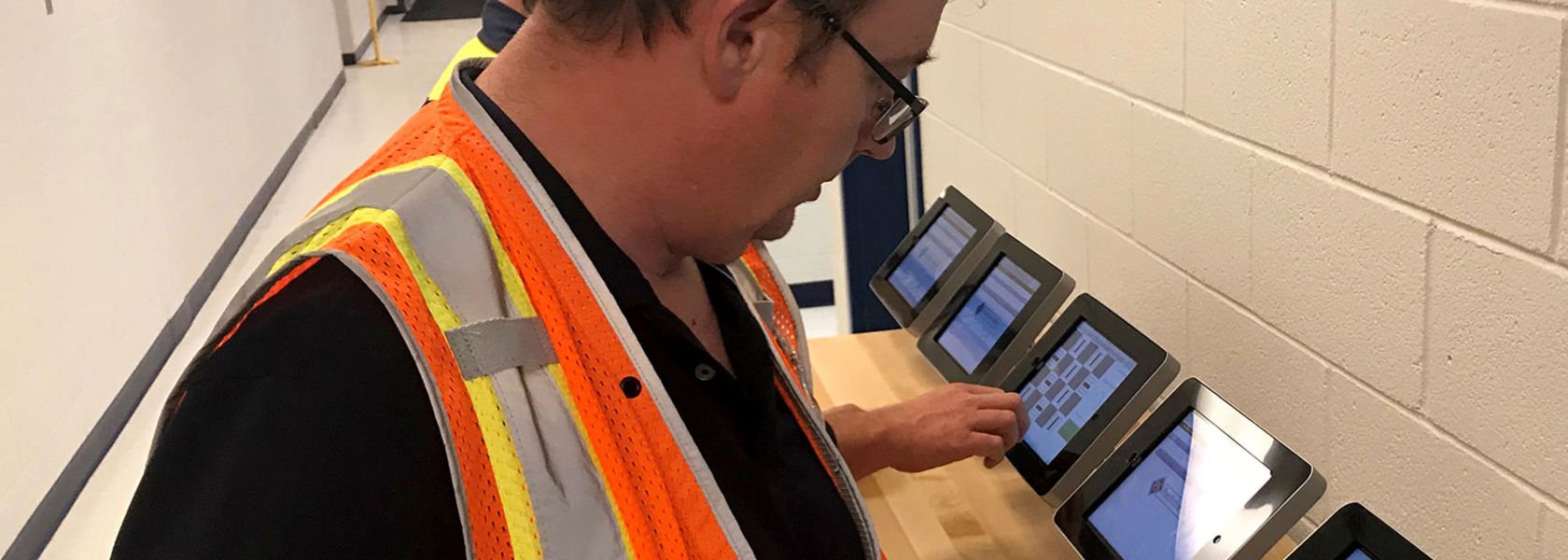
At one manufacturer, employees have made their daily pre-shift AlertMeter® tests a communal event, in which they proudly demonstrate to each other that they are fit for work. They are one example of a company embracing the use of technology to evolve its safety culture in the workplace.
Permanent changes to workplace safety cultures can and do occur within organizations, just as they occur more broadly in communities of people and society at large. When they do occur, what brings on the change? And more importantly, how are they sustained?
What is Occupational Impairment? Here's Why Drug Testing Isn't Enough
Many believe drug testing programs are the only way to prevent occupationally impaired employees from posing a safety risk. This belief has been long justified because drug testing has been a staple of human resources practices for decades, and a lack of practical alternatives has cemented these beliefs.

Managing Safety through Worker Fatigue Data
Worker Fatigue Affects Safety, Job Performance, and Morale
The National Safety Council reports that fatigue contributes to 13% of workplace injuries. Given the demands of round-the-clock shift schedules and the consequent prevalence of fatigue among the modern workforce, fatigue also contributes to uncountable errors, and it impedes workers’ ability to perform at their best. This impediment can extend to mood and job satisfaction as well, especially where employees would be uncomfortable telling a supervisor they felt too tired to work safely. Such workplace cultures are common.
Fortunately, the importance of managing worker fatigue is becoming better understood, and the work of the National Safety Council has been key to this understanding. They have recently released the second part of their three-part series Fatigue in the Workplace, with the third coming available in the Fall of 2018. The series presents a wealth of enlightening data from survey reports; for example, more than 80% of all workers are exposed to multiple fatigue risk factors, but only 27% of employers communicate about fatigue to their employees.
Worker Fatigue Management Is Universally Applicable
Organizations at the leading edge of safety and performance understand that a comprehensive approach to reducing errors and enhancing safety and productivity includes managing worker fatigue. Although some occupations are more susceptible to fatigue because of shift times or other job demands, fatigue management is universally applicable because all people can be affected by fatigue. Plus, not all worker fatigue is job-related. People can be fatigued for reasons like illness or insufficient sleep, but their fatigue may still affect their work performance and create a safety risk.
Hopefully your organization has not experienced an injury where fatigue was a factor, and hopefully it never does. It is true, however, that the best way to ensure it never does is to understand the risk it presents and then proactively reduce that risk. That’s where Predictive Safety can help.
If you want to dive into the National Safety Council’s fatigue survey reports, the Fatigue in the Workplace series is accessible here: https://www.nsc.org/work-safety/safety-topics/fatigue/survey-report

More Resources:
6 Reasons Why Your Company Needs to Manage Work Fatigue and Impairment (Part 1)
6 Reasons Why Your Company Needs to Manage Work Fatigue and Impairment (Part 2)
3 Things Workers Should Know About Shift Worker Fatigue, From a Doctor
10 Steps in a Fatigue Management Plan
Circadian Rhythm and Shift Work - When the Time Changes
The Factors of Fatigue and the Fatigue Assessment Scale
3 Ways Sleep Sleep Apnea at Work is Costing Your Business (And How To Fix It)
4 Steps to Fatigue Risk Management - a Fatigue Risk Management Template
6 Fatigue Countermeasures
Fatigue in the Workplace: Myths vs. Realities
Work Fatigue Symptoms
Predictive Safety Featured On the WorkSAFE Podcast: Tech Designed to Stop Fatigue Impairment Risk in Its Tracks
The Science of Fatigue at Work
Real-Time Fatigue Monitoring & Management Software
Who Benefits from Workplace Safety Regulations?
Relying on Compliance as a Safety Performance Measure
Safety regulations are devised by government agencies to define minimum standards of practice to minimize health and safety risks. A key term in this definition is minimum standards, meaning organizations avoid penalties if all regulatory boxes are checked. But safety systems in industrial workplaces often rely too heavily on their regulatory compliance as the principal measure of their safety performance. The assumption is that if there is no deficiency to penalize, safety performance must be excellent.
Circadian Rhythm and Shift Work - When the Time Changes
Studies have shown that a greater number of shift work accidents occur in the few days after the clocks change in the Spring or Fall than occur on average the rest of the year. When the clocks "spring ahead," there is a greater risk of fatigue because many people do not go to bed an hour earlier to compensate. If a worker has already accumulated sleep debt, the time shift only exacerbates the disruption to his sleep/wake (circadian rhythm) cycle. Such a significant fatigue state has cognitive detriments comparable to drunkenness.
-1.webp)
Empower a Safer Workforce
Discover how Predictive Safety can help you create a safer, more productive workforce, even during a historically tight labor market and high demand.