%201.svg)
Blogs
FATIGUE MANAGEMENT &
IMPAIRMENT DETECTION
.jpg)
3 Things Workers Should Know About Shift Worker Fatigue, From a Doctor
We spoke recently with our resident fatigue doctor, Dr. Doug Potter, who is one of the few people in his industry who balances both medicine and leadership skills. He works in environments that are risky and remote, helping management make smart choices for the health of their workers, and helping employees understand why one week they might feel energetic, yet the next week they can’t keep their eyes open.
It’s all a matter of timing, and management can use these simple tips about shift worker fatigue to keep it all straight.
To Increase Safety and Productivity, Focus On The Front Line
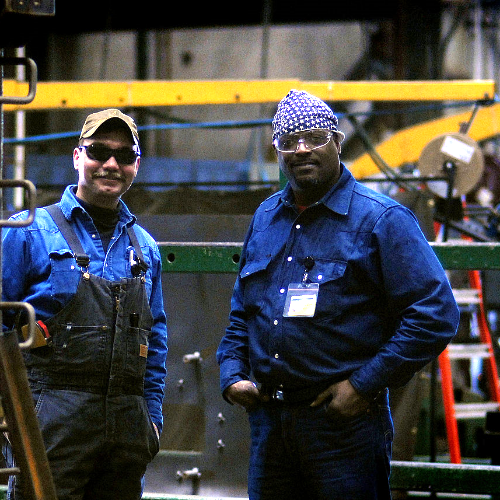
The term “front line” first referred specifically to the line of soldiers closest to enemy territory or the enemy itself. Imagine, for instance, the legionaries of ancient Rome forming an unbroken wall of great red shields, leading rows upon rows of the army’s soldiers, pushing forward with incisive resolve, a mighty host of warriors dedicated to a solitary purpose.
“‘Focus on the front line’ is a twofold concept: management’s focus on the front line and protecting it, and the front line’s focus on safe performance of their job tasks.”
.jpg)
The Best Way To Safety Excellence
An article about warehouse safety that I recently came across asserted that following OSHA’s rules and regulations was the best way to avoid hazards in the workplace. Although following OSHA’s rules and regulations is obviously a good idea and would lead to better safety outcomes than not following them, asserting that regulatory compliance alone is the best way to achieve safety excellence is shortsighted.
Safety Issues Associated with Commercially Available Energy Drinks
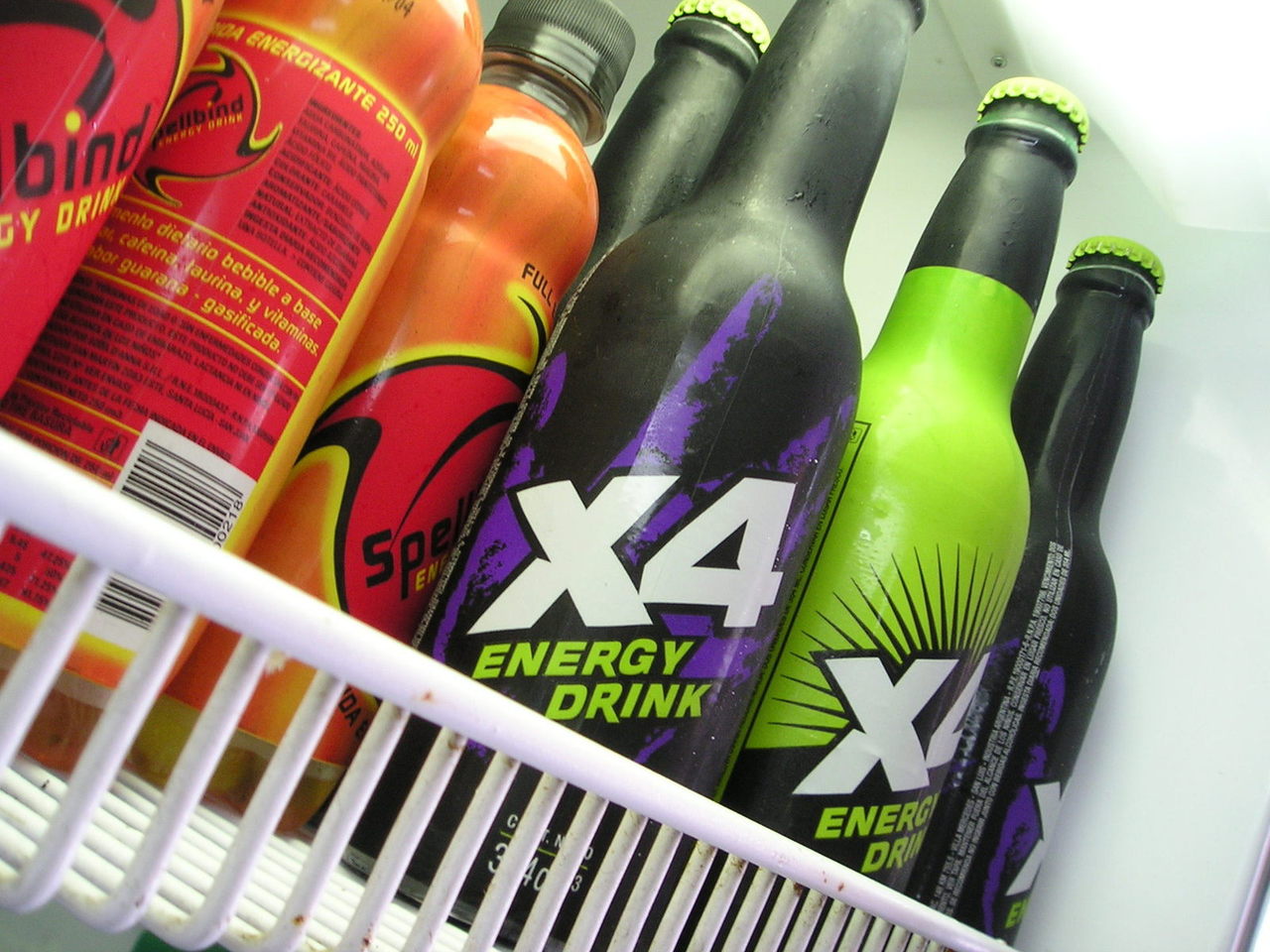
Since Red Bull's introduction to the U.S. market in 1997, energy drinks have become common in many diets around the world.
In fact, one study in Europe revealed that as many as 30% of adults over 18 consume energy drinks regularly.1
Energy drinks owe their success in part to the ways in which they are marketed-- as a way to combat tiredness at work.

Thwarting the Accident Cycle through Effective Safety Communication
For many safety professionals, determining the causes of incidents and near misses can be a frustrating process, especially when workers fear being reprimanded. This leads to finger-pointing and scapegoating, which does nothing to identify and address the actions, behaviors, and circumstances that led to the incident, nor does it help improve the safety system.
In fact, poor safety communication styles just compound existing issues that have contributed to a negative safety culture.
Safety Value Examples
A recent conversation with Dave D. Lauriski, co-founder of Predictive Safety and CEO of Safety Solutions International, explored some underlying causes of workplace accidents in high-hazard industries. While he strongly believes that achieving zero fatalities is possible, obstacles prevent it from being realized. He asserts that measuring regulatory compliance alone cannot prevent these hidden obstacles, but data analytics like those being developed by Predictive Safety can be used to identify and manage them in a way to proactively reduce workplace incidents and fatal accidents.

-1.webp)
Empower a Safer Workforce
Discover how Predictive Safety can help you create a safer, more productive workforce, even during a historically tight labor market and high demand.