%201.svg)
Blogs
FATIGUE MANAGEMENT &
IMPAIRMENT DETECTION

10 Steps in a Fatigue Management Plan
What is Workplace Fatigue?
Workplace fatigue is one of the most common, costly, and dangerous safety risks affecting safety-sensitive industries. It is often described in terms related to sleepiness, tiredness, or exhaustion and is discussed in contexts such as workplace safety, enhancing work productivity, or reducing fatigue-related workplace risks.
However, it is important to look beyond this context to achieve a fuller understanding of what fatigue is, what causes it, its implications, and how you can manage it most effectively.
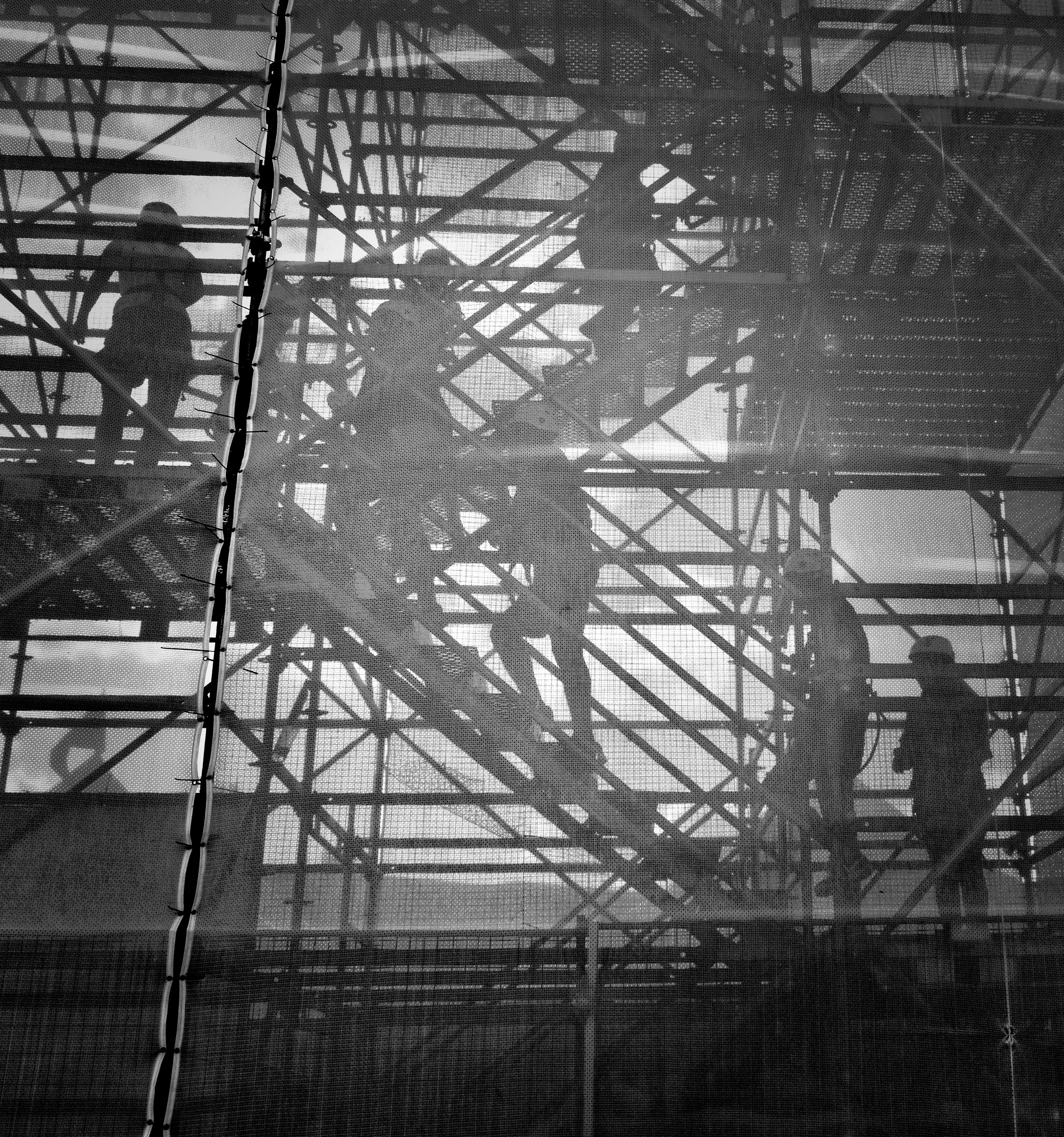

5 Historic Shift Work Accidents
Millions of insomniacs, Netflix bingers, and parents with loud babies report to work every day.
We see them everywhere. They’re the ones huffing and puffing as loudly as possible at any minor inconvenience, such as a lapdog yelping next door or a coworker crunching noisily on their chips. With maybe a few hours of low-quality sleep in them, they’re easily distracted and forget why they entered a room immediately upon entering it. They’re irritable. They mutter a few more cuss words than usual, dismissing regular filters and inhibitions.

69% of Your Employees Are Drunk at Work
A title like that will perk up most safety supervisors' ears, ready to hunt down the alcoholics on site.
If it said, "69% of Your Workers are Fatigued", it wouldn't get nearly the same reaction.
So, here we are--Us lying to get your attention, you out there listening for clinking bottles.
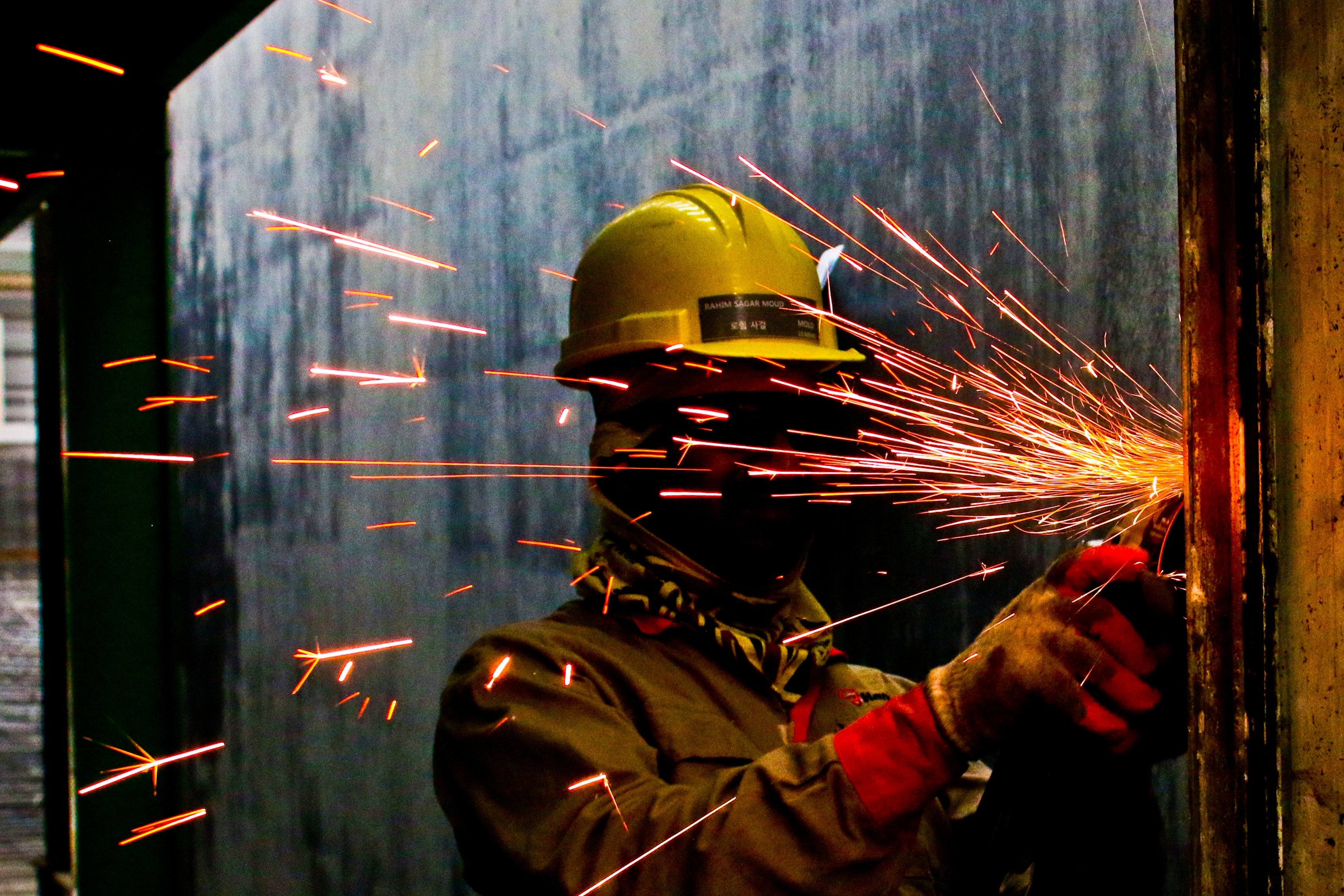
Who Benefits from Workplace Safety Regulations?
Relying on Compliance as a Safety Performance Measure
Safety regulations are devised by government agencies to define minimum standards of practice to minimize health and safety risks. A key term in this definition is minimum standards, meaning organizations avoid penalties if all regulatory boxes are checked. But safety systems in industrial workplaces often rely too heavily on their regulatory compliance as the principal measure of their safety performance. The assumption is that if there is no deficiency to penalize, safety performance must be excellent.

Circadian Rhythm and Shift Work - When the Time Changes
Studies have shown that a greater number of shift work accidents occur in the few days after the clocks change in the Spring or Fall than occur on average the rest of the year. When the clocks "spring ahead," there is a greater risk of fatigue because many people do not go to bed an hour earlier to compensate. If a worker has already accumulated sleep debt, the time shift only exacerbates the disruption to his sleep/wake (circadian rhythm) cycle. Such a significant fatigue state has cognitive detriments comparable to drunkenness.
-1.webp)
Empower a Safer Workforce
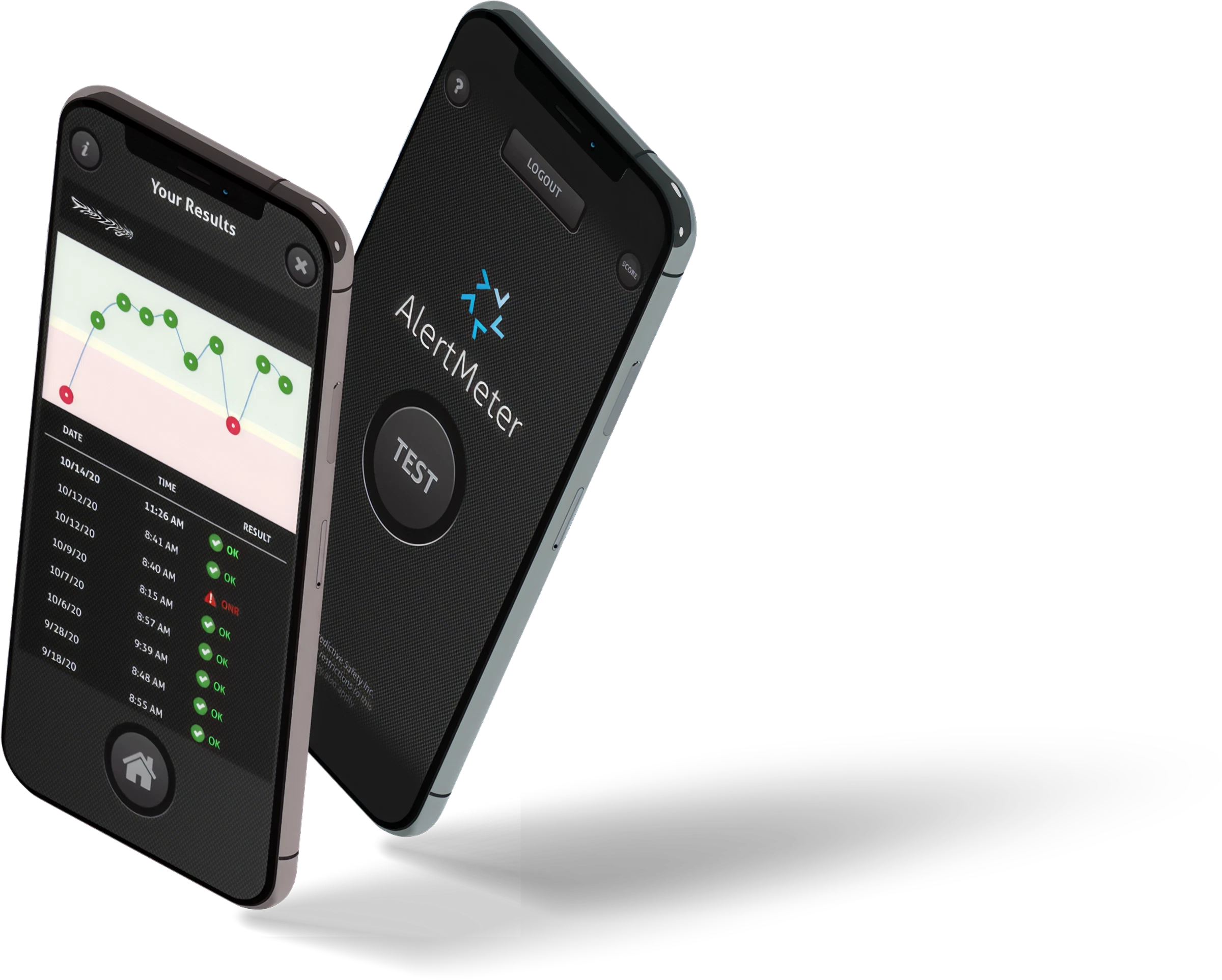
Discover how Predictive Safety can help you create a safer, more productive workforce, even during a historically tight labor market and high demand.