%201.svg)
Blogs
FATIGUE MANAGEMENT &
IMPAIRMENT DETECTION

Safety, Quality & Productivity Technology
Technology Can Be The Keystone of Safe, Productive & Quality Driven Operations
Safe employees are not only a crucial aim of any organization, they are in fact the keystone of productive operations delivering high quality. Although it is no secret that safety, quality, and productivity go hand-in-hand, the prevailing cultures and safety systems in many workplaces are not structured with this principle at their core.
Industries That Benefit From Predictive Risk Management
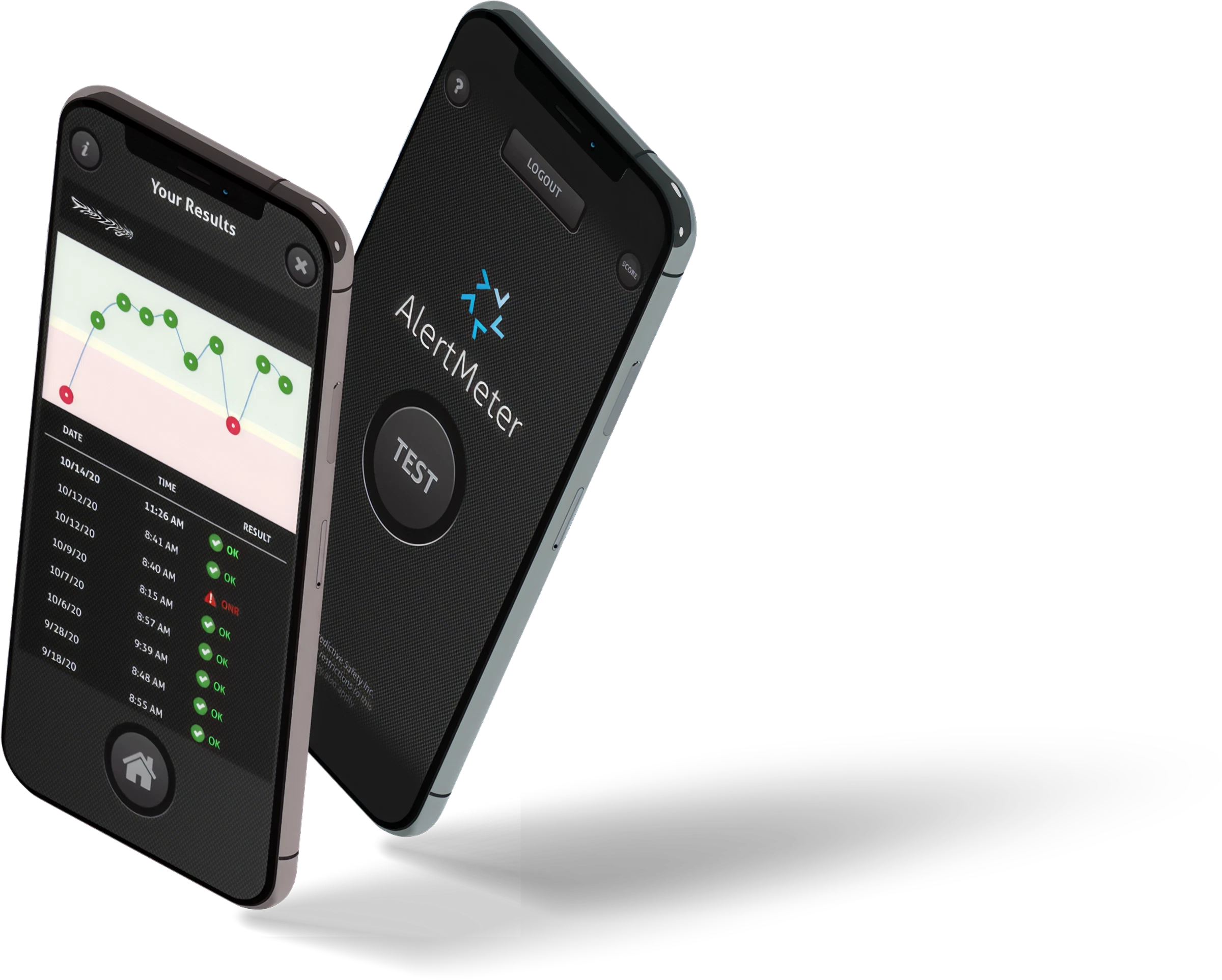
Some employers and safety pros may assume that the predictive risk management tool, AlertMeter® alertness testing is intended and appropriate only for certain industries, such as those in which employees have a certain degree of autonomy; clock in/out in the same place; and where risk from fatigue and impairment extremely apparent.
However, predictive risk management is not industry-specific. It is used in industries ranging from healthcare to mining, and provides valuable insight for any company with human employees.

3 Ways Great Operations Managers Increase Productivity And Safety At Work
While many of us spent the last few months lounging blissfully in our homes, sipping coffee out of our favorite mugs, and tapping away on our laptops, we felt fortunate that the “new normal” didn’t wreck our businesses. We were still productive and efficient from home, we didn’t have to wear shoes, and we didn’t have to pay for office space.
For others, remote work was never an option. Businesses came to a halt. Workers were left hanging.

Whose Job Is It? The Shared Responsibility for Safety with AlertMeter
You may be surprised to learn that a fit-for-work program using AlertMeter® can support and enhance the responsibility for safety that everyone shares--not only among the front-line employee users, but at all levels, no matter their exposure to worksite hazards.
Safety is everyone's concern, so let's examine how AlertMeter® works as a tool for awareness and communication in the shared responsibility for safety.

How This Company Reduced Their Drug Testing Cost by 80%
A large company was interested to know how impairment testing compared to their drug testing program in terms of value, cost, and the return on the investment in each. Although every company is different, we wanted to share what this one learned.

The Factors of Fatigue and the Fatigue Assessment Scale
Fatigue is a common factor in workplace accidents and near misses, and although more and more organizations are recognizing the importance of monitoring it, fatigue may often be thought of as synonymous with sleepiness or drowsiness and that all fatigue results from insufficient restorative sleep.
-1.webp)
Empower a Safer Workforce
Discover how Predictive Safety can help you create a safer, more productive workforce, even during a historically tight labor market and high demand.