%201.svg)
Blogs
FATIGUE MANAGEMENT &
IMPAIRMENT DETECTION
Analyzing Fit for Work in the Top 5 Most Common Workplace Accidents
What Does Fit for Work Mean?
According to CCOHS, "'fit for work' or 'fitness to work' is typically a medical assessment done when an employer wishes to be sure an employee can safely do a specific job or task."

Workplace Drug Testing: 7 Reasons Not to Drug Test Employees
Why Do Companies Engage in Workplace Drug Testing?
56% of U.S. employers use pre-employment drug tests, or randomly drug test employees.
These companies pay $3,750,500,000 annually in pre-employment drug testing costs. (Statistic Brain)
Although it’s a hefty investment, for many employers there’s no way to get around workplace drug testing policies. It’s a practice rooted in legal compliance and corporate culture. But it’s well-intentioned.

Signs of Impairment in the Workplace
No Workplace is Immune to Impairment Risk
Many employers may not fully realize the potential hazards that impairment and diminished alertness present in their workplaces, especially if employees' job tasks are safety-sensitive, involve heavy equipment, or require a high degree of technical skill.

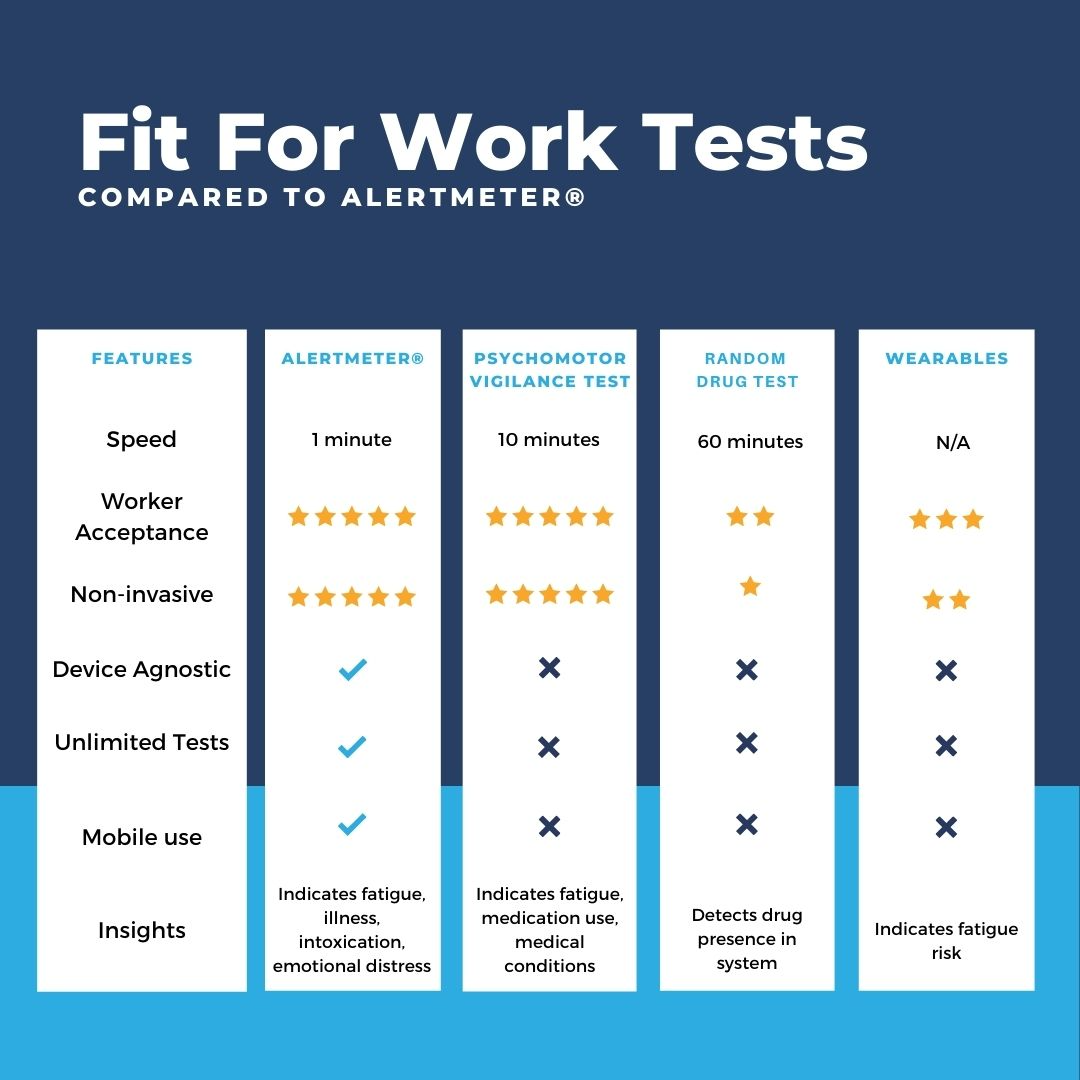
Alertness Level Testing: A More Accurate and Popular Way to Test Employees
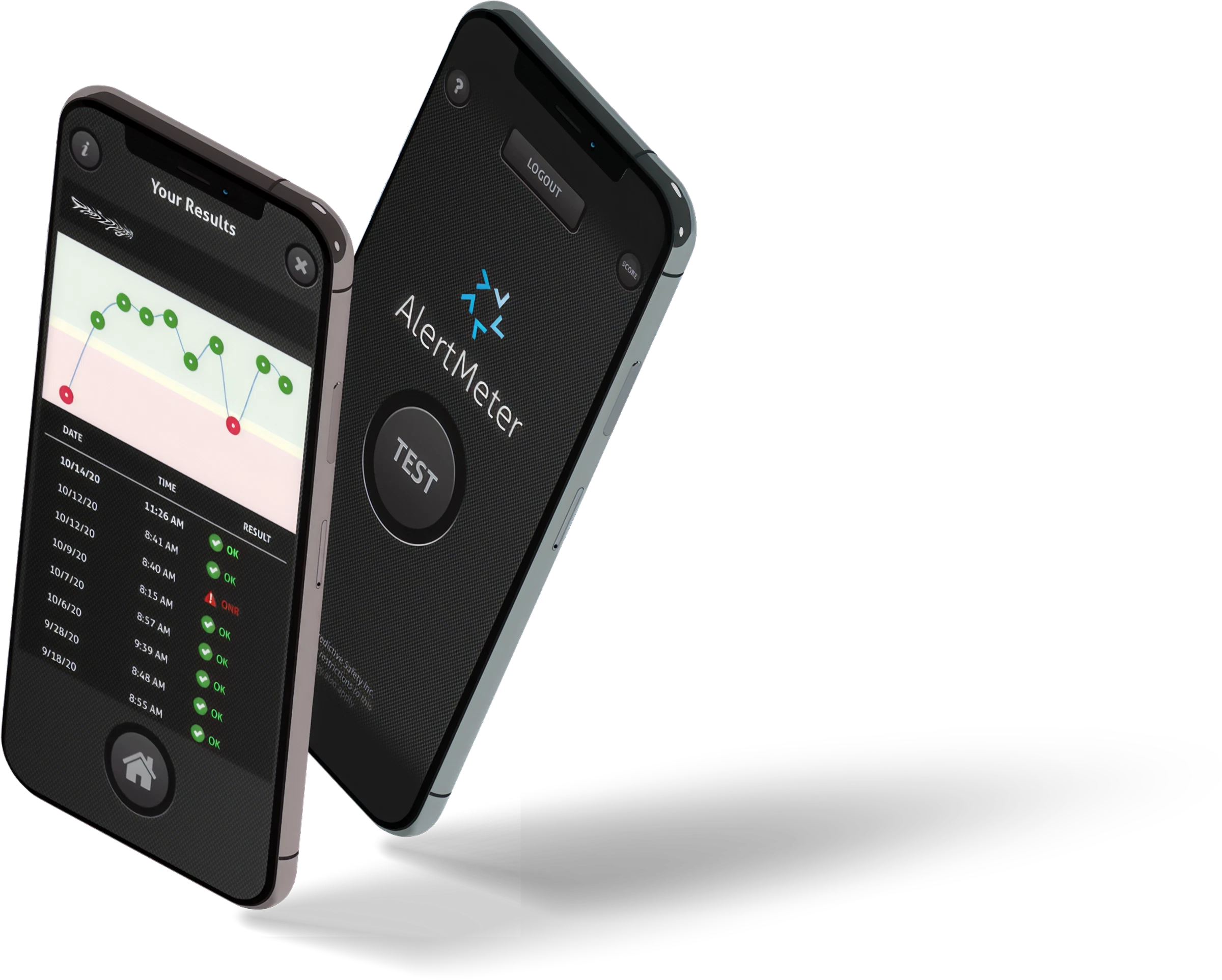
The benefits of managing fatigue and monitoring for impairment are becoming more widely recognized, especially as technological innovations like the AlertMeter® alertness level test technology make the benefits easily accessible.
These benefits result from the way alertness level testing fills certain needs that today’s employers have but that are not otherwise met by existing and traditional safety equipment and practices.
-1.webp)
Empower a Safer Workforce
Discover how Predictive Safety can help you create a safer, more productive workforce, even during a historically tight labor market and high demand.