%201.svg)
Blogs
FATIGUE MANAGEMENT &
IMPAIRMENT DETECTION
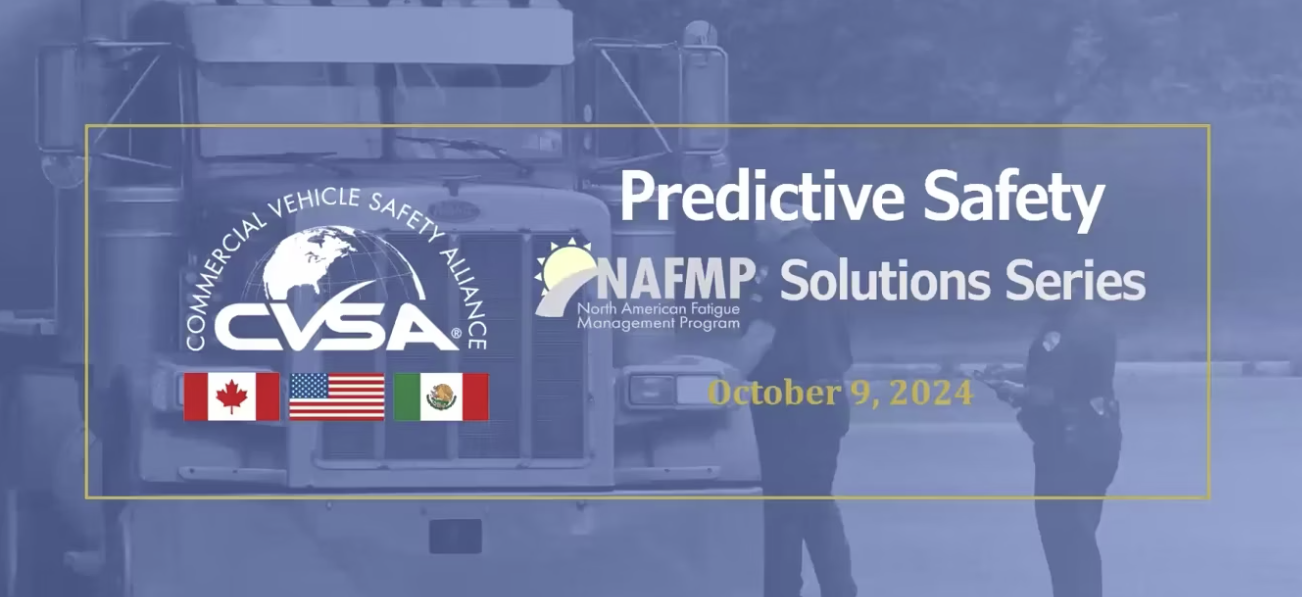
Commercial Vehicle Safety Alliance (CVSA) NAFMP Solutions Series Webinar: Using Impairment Detection Technology to Reduce Incidents in Transportation
Reducing Incidents & Accidents In Transportation With The AlertMeter®
Our COO, Jeff Sease, joined the Commercial Vehicle Safety Alliances Fatigue Management Specialist, Rodolfo Giacoman, to discuss The AlertMeter® and how the 45-second assessment generates individual, language-independent and nondiscriminatory baselines to ensure cognitive fitness, resulting in an average ~30% reduction in most key performance indicators associated with incidents and crashes.
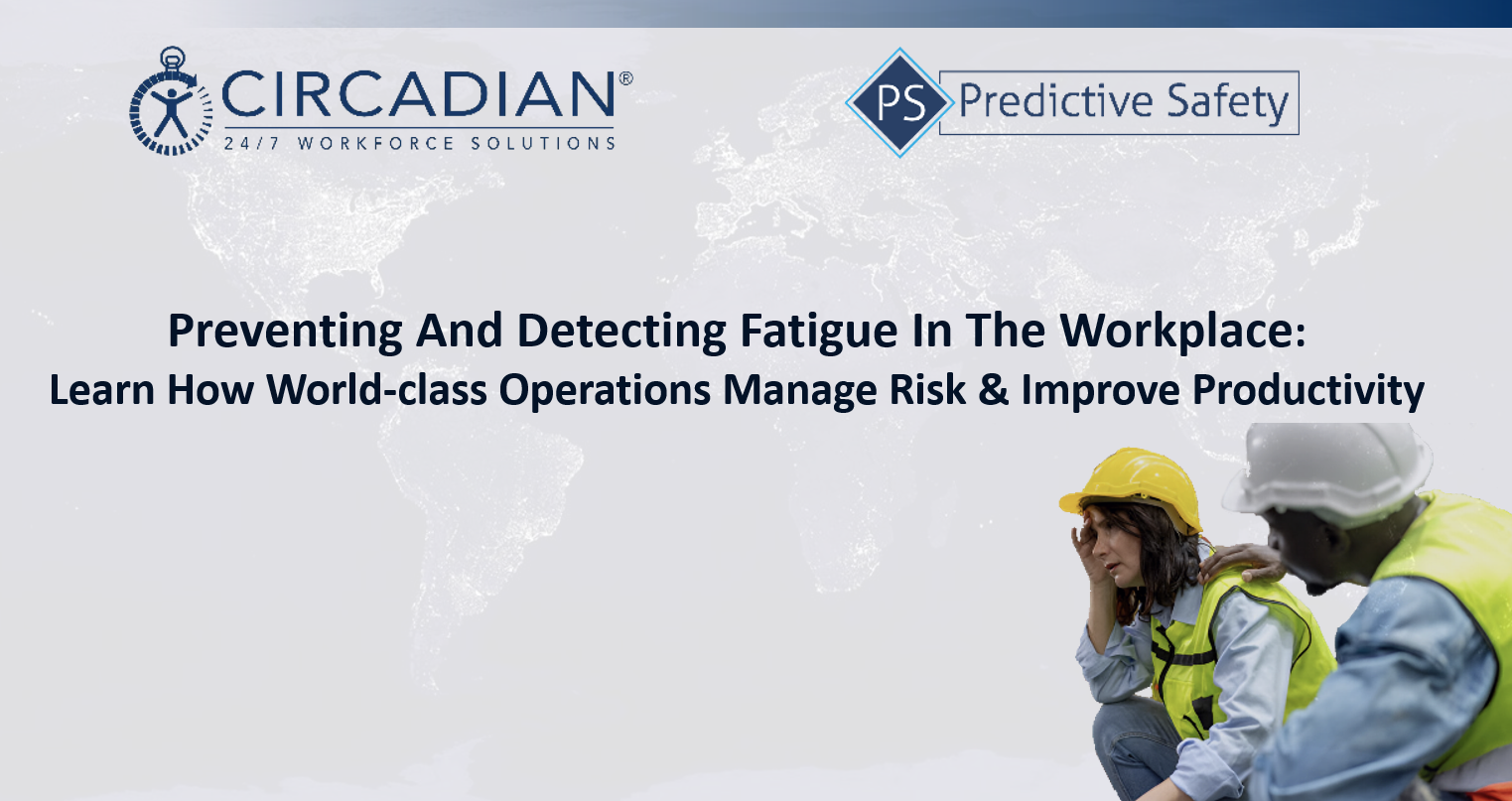
Webinar: Preventing & Detecting Fatigue In The Workplace To Manage Risk & Improve Productivity
Strategies To Reduce Workplace Fatigue
We recently were joined by Andrew Moore-Ede, President of Circadian discuss strategies for reducing fatigue risk and using Fatigue Risk Management Systems & Impairment Detection Technology to promote workplace safety, increases productivity, and promote alertness.
Workplace injuries and illnesses cost US employers billions of dollars every year. Did you know that human factors cause 80% of industrial accidents? And 43% of Americans report being too tired to work safely.
Fatigue increases the risk of accidents, impacts productivity, affects employee retention, and undermines workplace safety. Addressing this challenge and keeping your employees safe and alert involves developing and implementing strategies that prevent and detect fatigue risk.
In this webinar, you will learn;
- How Fatigue Risk Management systems promote workplace safety, improve productivity, and increase overall employee satisfaction by using technology to identify Who, When, and Where poses the greatest fatigue risk to your operation.
- Strategies to reducing fatigue risk and promote alertness.
- How to identify impairment of all kinds using proactive technology to monitor cognitive function and provide real-time data to keep employees "rested, alert, and ready for work."
- How implementing a suite of proactive prevention and detection strategies and technology enables leadership to effectively manage and engage with their workforce from a data-driven system that greatly enhances your existing fatigue management policies.
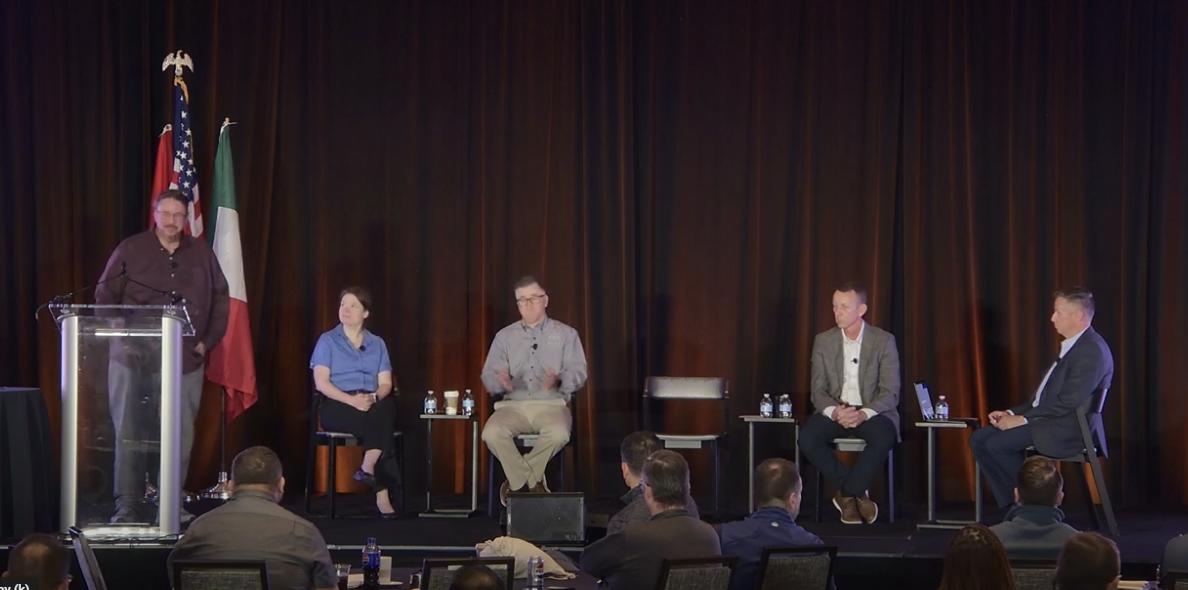
MSCI Panel Discussion: Managing Fatigue, Impairment, and Human Factors with AlertMeter®
How AlertMeter® Is Used In The Steel Industry
Predictive Safety's Jeff Sease was joined by Triple S Steel and Steel & Pipe Supply at the 2024 MSCI Steel Conference discussing how AlertMeter® is utilized within each company's safety program. It's a great conversation addressing many of the commonly asked questions when it comes to AlertMeter®.

Utilizing Impairment Detection Technology vs. Drug Testing for THC
Utilizing Impairment Detection Technology vs. Drug Testing for THC
In February, Maryland lawmakers debated various bills to protect marijuana consumers from workplace discrimination. Maryland, like many other states, has legalized cannabis and this has put many employers in a difficult situation of identifying who is actually impaired at work without discriminating against use outside of the workplace.
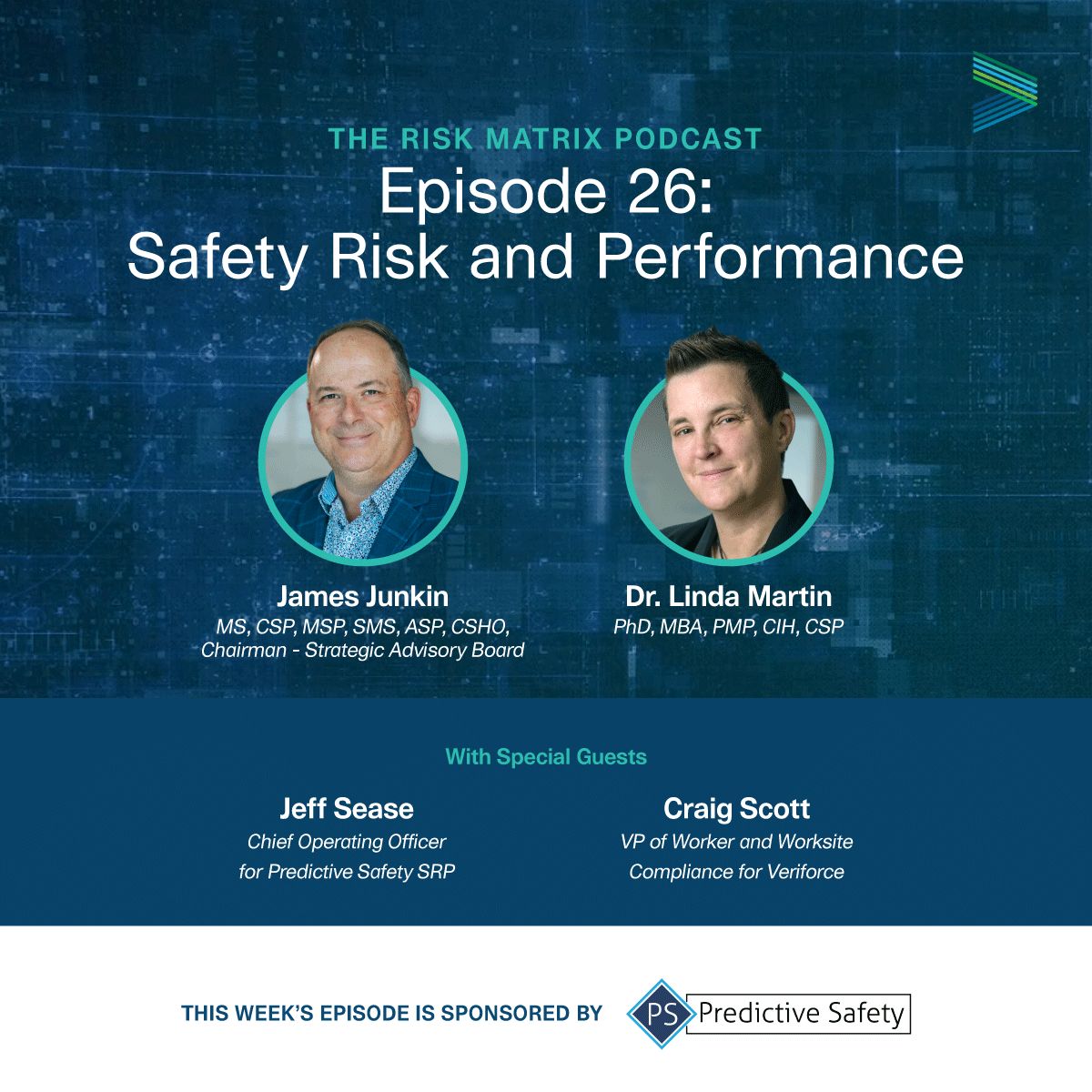
The Risk Matrix Featuring Predictive Safety: Safety Risk and Performance
Predictive Safety's COO, Jeff Sease, joins James Junkin and Dr. Linda Martin on The Risk Matrix Podcast talking about fatigue and impairment and how to tackle this complex issue utilizing technology to maintain productivity and keep your staff alert.
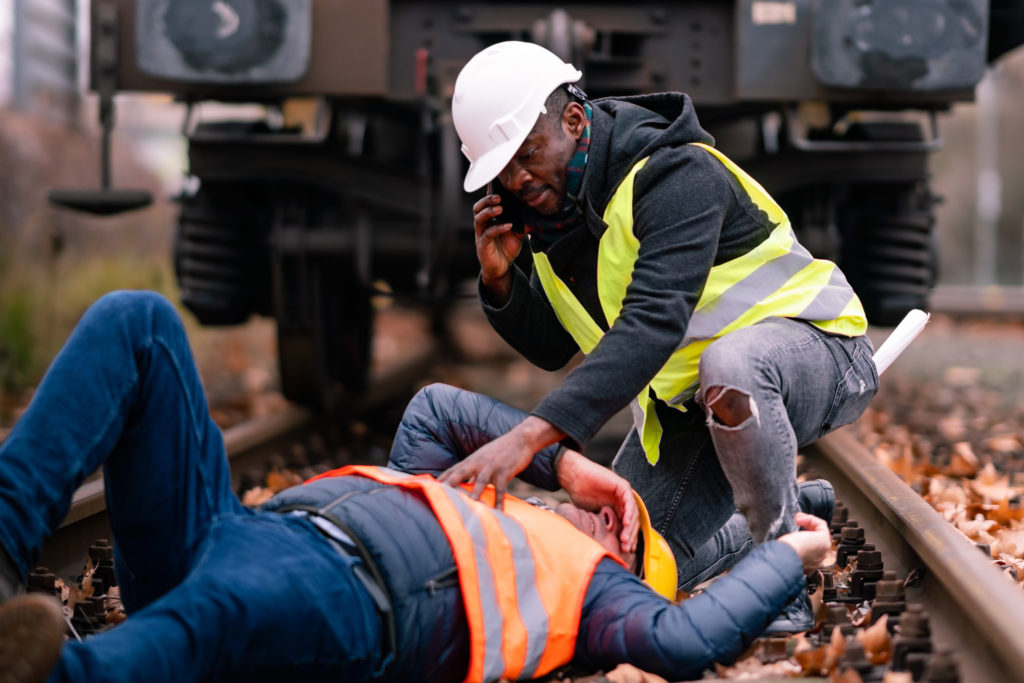
Mastering Railroad Freight Safety: Navigating Railroad Safety Regulations and Safeguarding Against Fatigue
Since its establishment in 1967, the Federal Railroad Administration (FRA) has been the principal governing body of all railroads within the USA, ensuring the enforcement of policies and regulations in the railway sector. The majority of the FRA is focused on safety mechanisms and protocols like worker safety, enforcing safety regulations, train speeds, train horn use and track conditions. Railroads have around 10 governing bodies other than the FRA to keep a lookout for, some including DOT (Department of Transportation) and OSHA (Occupational Safety and Health Administration. It's not just getting to compliance; it's about ensuring the well-being of our teams, protecting valuable assets, and ensuring the longevity of our rail enterprise.
-1.webp)
Empower a Safer Workforce
Discover how Predictive Safety can help you create a safer, more productive workforce, even during a historically tight labor market and high demand.