%201.svg)
Blogs
FATIGUE MANAGEMENT &
IMPAIRMENT DETECTION

Mastering Railroad Freight Safety: Navigating Railroad Safety Regulations and Safeguarding Against Fatigue
Since its establishment in 1967, the Federal Railroad Administration (FRA) has been the principal governing body of all railroads within the USA, ensuring the enforcement of policies and regulations in the railway sector. The majority of the FRA is focused on safety mechanisms and protocols like worker safety, enforcing safety regulations, train speeds, train horn use and track conditions. Railroads have around 10 governing bodies other than the FRA to keep a lookout for, some including DOT (Department of Transportation) and OSHA (Occupational Safety and Health Administration. It's not just getting to compliance; it's about ensuring the well-being of our teams, protecting valuable assets, and ensuring the longevity of our rail enterprise.
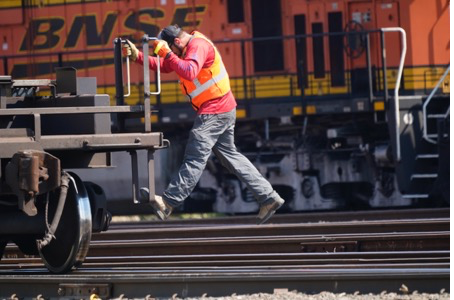
Enhancing Railroad Safety: Virtual PPE for Railroad Workers
In the world of railroad operations, safety isn’t merely about hard hats and vests—it's also about safeguarding workers from seemingly invisible risks like fatigue or from risks that are difficult to manage in a distributed workforce like emotional distress or drug/alcohol impairment.
Driver Safety Technology's Role in Managing Fleets
In the competitive world of managing local fleets, fleet managers are always battling the clock. Whether it’s fuel delivery, utility services, or fleets used in mining or delivering packages, keeping goods and services flowing without interruption is essential.
It’s common for local fleet drivers to work long and irregular hours, therefore, a common problem fleet safety managers face is driver fatigue, leading to an increased risk of incidents. This is why understanding Driver Safety Technology options is vital to safe fleet management.

Fleet Safety Management
Navigating Safety as a Fleet Manager
As a dedicated fleet manager, ensuring the safety and well-being of your drivers is a top priority. In this article, we will review essential safety management methods to help you cover all the bases when it comes to driver fatigue management. Your commitment to this crucial aspect of fleet operation not only ensures the safety of your drivers but also plays a significant role in the safety-conscious culture of your company

Mastering Fleet Safety: Proactive Safety Systems
Mastering Fleet Safety: Proactive Safety Systems
In the fast-paced world of fleet management, safety is the ultimate priority. It's not just about complying with regulations; it's about ensuring the well-being of your drivers, the protection of your assets, and the longevity of your business. Today, we'll take you on a journey through the crucial aspects of fleet safety, covering everything from cutting-edge fleet management software to the intricacies of federal regulations and safety training. Whether you're a seasoned fleet manager or just starting out, this comprehensive guide will help you navigate the road to safer operations.

49 CFR Section 392.3
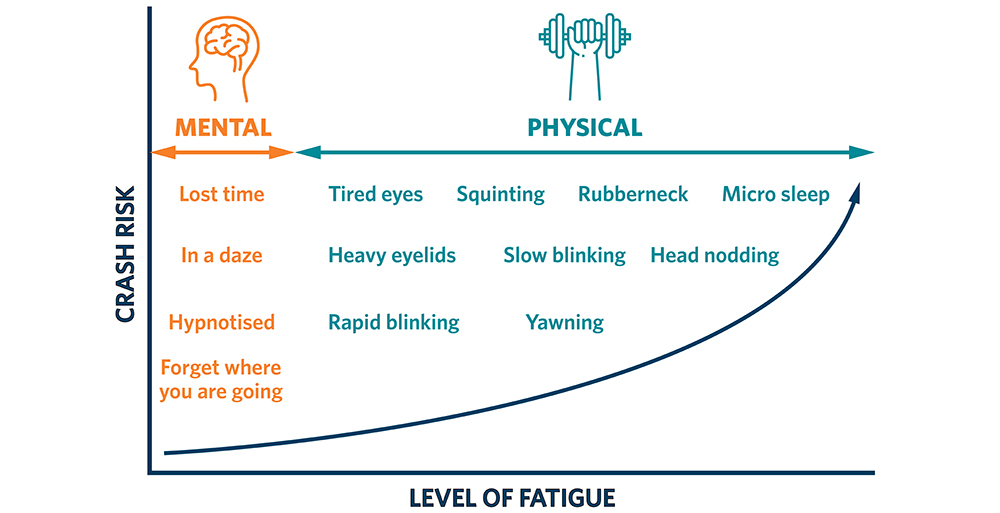
CAN FATIGUE RISK BE REGULATED?
The commercial transport industry is subject to regulation 49 CFR 392.3, which aims to prevent an ill or fatigued driver from getting behind the wheel. However, the regulation didn't prevent the highly publicized crash that injured comedian Tracy Morgan and killed comedian James "Jimmy Mack" McNair in June 2014, when a fatigued Walmart truck driver did not brake appropriately in response to traffic, including Morgan's limo van, that had slowed for a construction zone.(1)

-1.webp)
Empower a Safer Workforce
Discover how Predictive Safety can help you create a safer, more productive workforce, even during a historically tight labor market and high demand.