%201.svg)
Blogs
FATIGUE MANAGEMENT &
IMPAIRMENT DETECTION
Measuring Safety Culture
Broadly, culture refers to the ways in which people interact with each other. This includes things like the modes and methods of their communication, the expectations and the norms of their behavior, and their commonly held values, beliefs, and knowledge. Culture can be examined across entire demographics or geographical and political regions, like nerd culture or American culture, and it can also be seen at smaller and more specific levels, like within a workplace.

49 CFR Section 392.3
CAN FATIGUE RISK BE REGULATED?
The commercial transport industry is subject to regulation 49 CFR 392.3, which aims to prevent an ill or fatigued driver from getting behind the wheel. However, the regulation didn't prevent the highly publicized crash that injured comedian Tracy Morgan and killed comedian James "Jimmy Mack" McNair in June 2014, when a fatigued Walmart truck driver did not brake appropriately in response to traffic, including Morgan's limo van, that had slowed for a construction zone.(1)


Innovation over Arguments
Though the need for laws and regulations, in general, may not be easily denied, contention regarding the regulation of high-hazard industries tends to focus on regulations’ suitability, the degree to which they inhibit productivity, or even if they will have the intended result. Judy Greenwald’s article for Business Insurance presents how many in the US trucking industry argue that certain legislation designed to increase drivers’ safety and decrease their fatigue may actually exacerbate safety risks while also reducing productivity. Hours-of-service (HOS) rules limit drivers’ ability to travel between one and five o’clock in the morning, and many claim that these rules increase overall traffic during daylight hours and push drivers to haul the same amount of cargo despite the travel time restrictions.

Healthcare Worker Fatigue
Although improving techniques and technologies in patient care dominates much discussion in the healthcare industry, more attention has begun to be paid to the wellness of those providing that care, like physicians, nurses, surgeons, residents, and so on. When we get sick or hurt, we probably don’t give much thought to whether our healthcare providers are fatigued or even ill themselves, yet research shows they often work in spite of illness or fatigue, and fatigue is very common.1

Changing the Conversation: From Cannabis to Marijuana Impairment Test
A common subject of discussion in the workplace safety arena is the changing legal status of cannabis (marijuana) in many parts of the United States. Although there may be pros and cons to marijuana's legalization and many Americans favor it, many employers, workplace safety professionals, lawyers, and journalists are skeptical, if not downright anxious, about how marijuana's legalization may affect safety in American workplaces. But an issue with this skepticism and anxiety, however, is that the feelings are held without due consideration for the hazards to workplace safety already posed by common circumstances, only because they are not taboo or have not been illegal, and so the impact of legal marijuana becomes exaggerated to seem like a problem that employers would never be able to manage.
-1.webp)
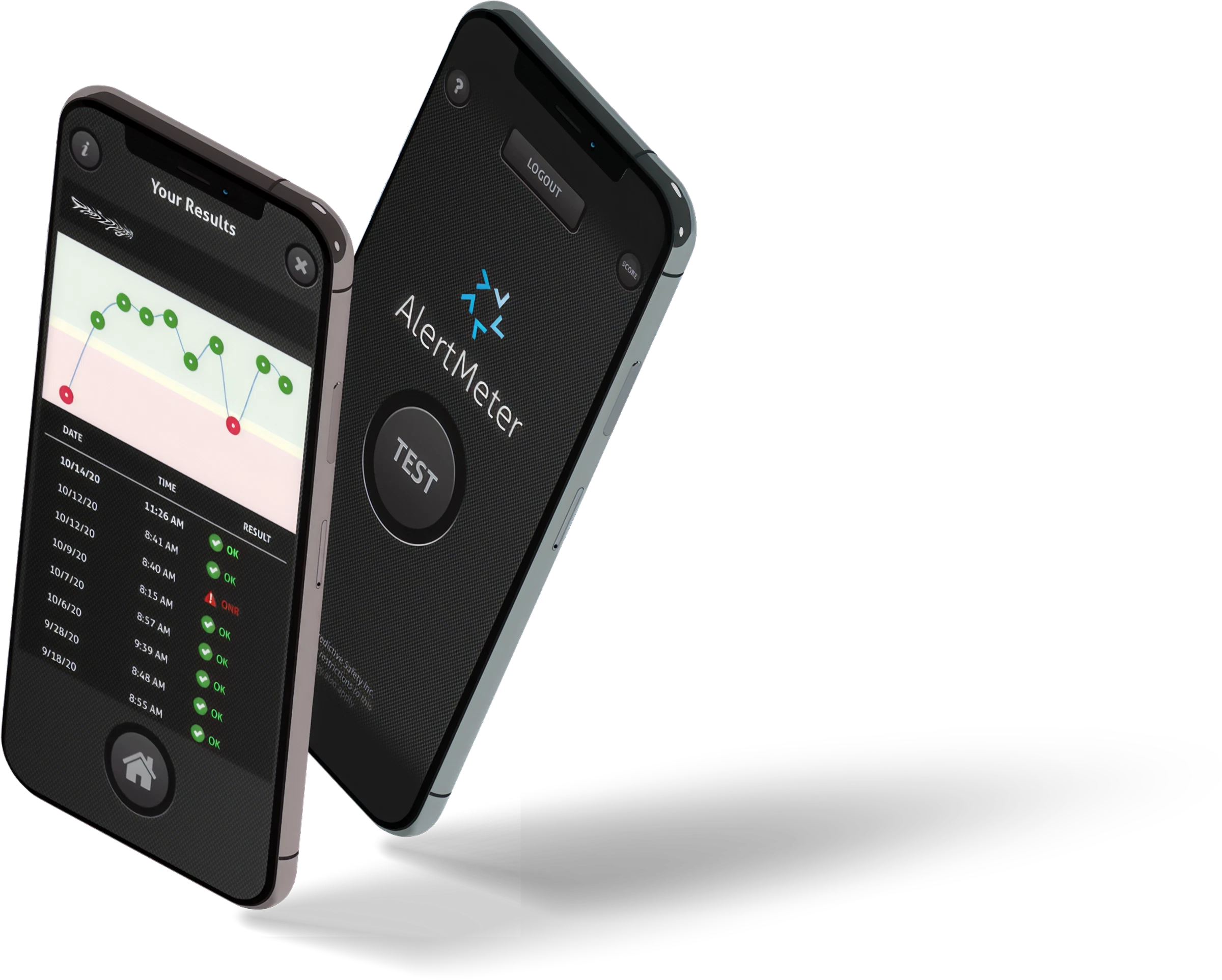
Empower a Safer Workforce
Discover how Predictive Safety can help you create a safer, more productive workforce, even during a historically tight labor market and high demand.