%201.svg)
Blogs
FATIGUE MANAGEMENT &
IMPAIRMENT DETECTION


Signs of Impairment in the Workplace
No Workplace is Immune to Impairment Risk
Many employers may not fully realize the potential hazards that impairment and diminished alertness present in their workplaces, especially if employees' job tasks are safety-sensitive, involve heavy equipment, or require a high degree of technical skill.

Alertness Level Testing: A More Accurate and Popular Way to Test Employees
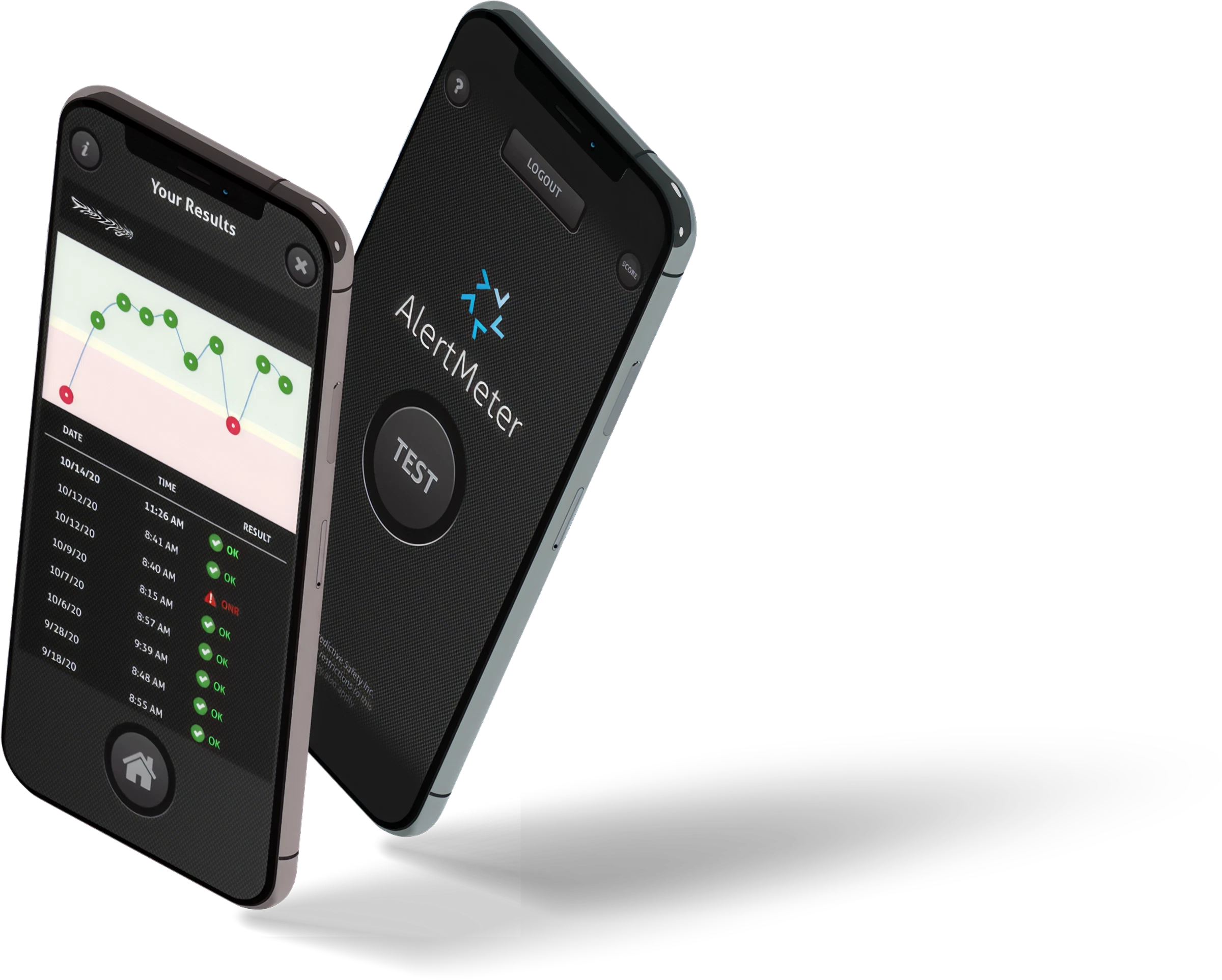
The benefits of managing fatigue and monitoring for impairment are becoming more widely recognized, especially as technological innovations like the AlertMeter® alertness level test technology make the benefits easily accessible.
These benefits result from the way alertness level testing fills certain needs that today’s employers have but that are not otherwise met by existing and traditional safety equipment and practices.
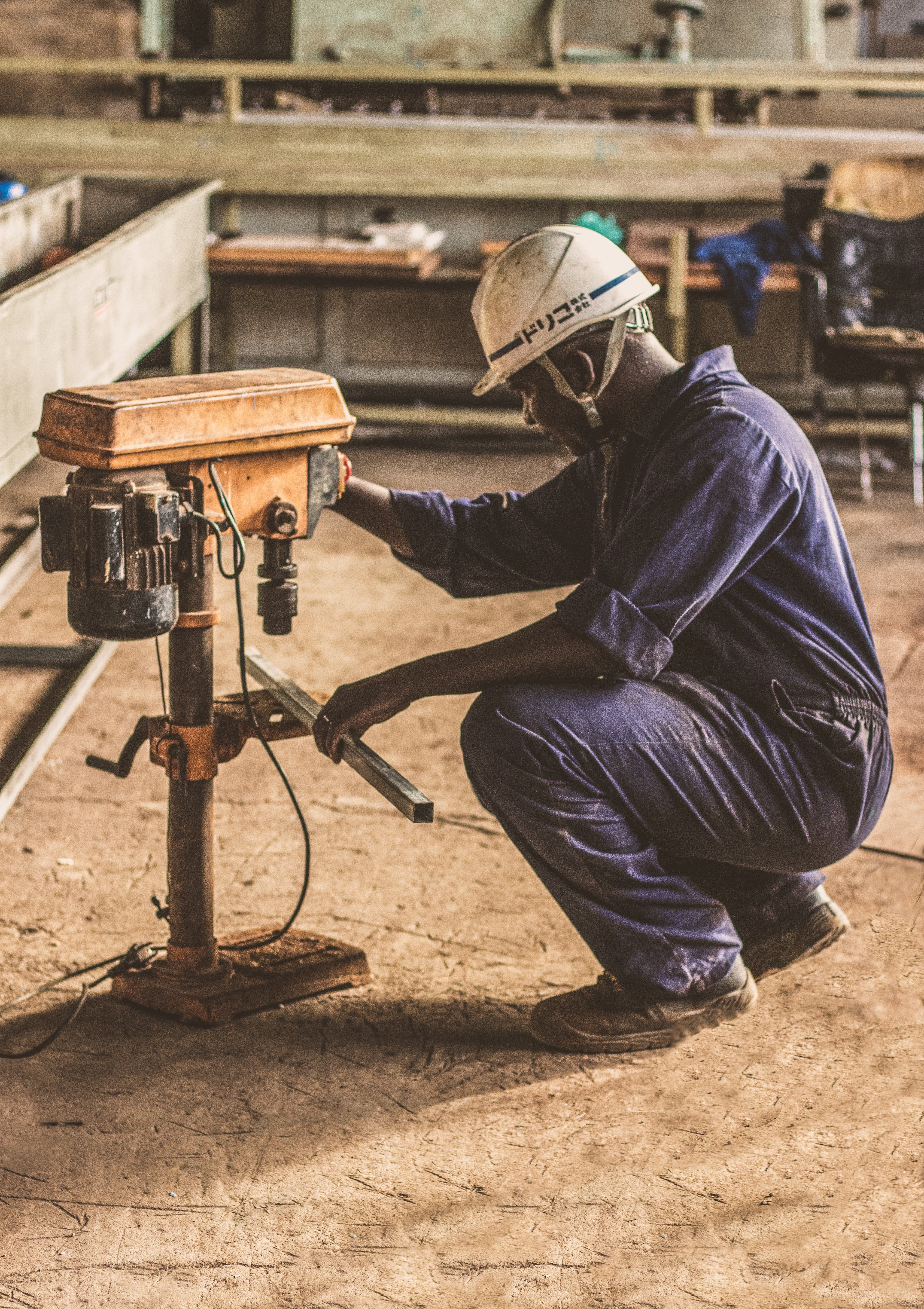
Workplace Impairment Policy to Reduce Errors and Increase Productivity at Work
Over a two-year period, a manufacturing company experienced an 11% improvement in productivity that correlated with their installation of the AlertMeter fit-for-duty program as part of their workplace impairment policy. But AlertMeterTM is principally a tool for improving safety, so how are safety and productivity related?
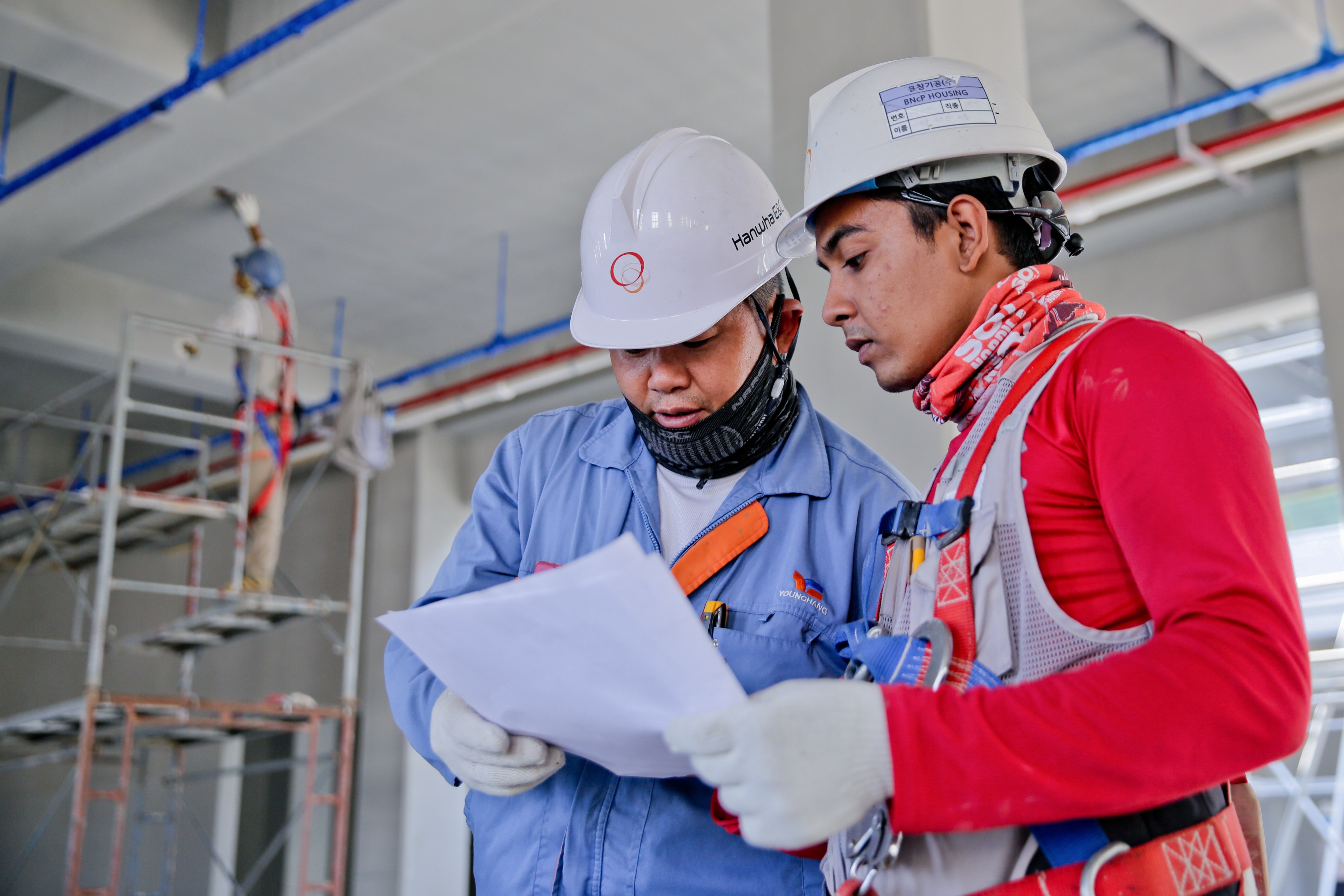
Avoiding Accidents in the Workplace vs. Preventing Accidents in the Workplace
Avoiding Accidents in the Workplace vs. Preventing Accidents in the Workplace
All people and animals are reactive by nature—We sense stimuli, and our brains process these stimuli and prompt reactions in thought or behavior. As such, reacting to hazards and dangerous situations is a natural and instinctual way we try to stay safe in all aspects of life.
But we can often conflate avoiding accidents in the workplace with preventing them, using the latter term when the former is more appropriate. Avoiding a workplace accident suggests that while no harm or damage occurred, the conditions were right and an accident could have happened.

6 Fatigue Countermeasures
Generally, a countermeasure is an action taken to reduce or avoid the effects of an undesirable condition or situation. In managing fatigue, appropriate countermeasures can help improve alertness, maintain performance, and reduce drowsiness.
Taking appropriate fatigue countermeasures at appropriate times should be a cornerstone of a fatigue risk management system (FRMS), and understanding more about effective fatigue management is a foundation for better employee well-being overall.
-1.webp)
Empower a Safer Workforce
Discover how Predictive Safety can help you create a safer, more productive workforce, even during a historically tight labor market and high demand.