%201.svg)
Blogs
FATIGUE MANAGEMENT &
IMPAIRMENT DETECTION

What's the Science Behind Impairment Testing?
Workplace impairment is a serious and sometimes confusing topic. The causes of impairment are varied, the effects mixed and remediation efforts, until now, have been difficult to implement.
This guide to Workplace Impairment is designed to answer your questions and get your organization on the right track.

Legalized Marijuana and Workplace Drug Testing: Complete Guide
How is Legalized Marijuana Affecting Workplaces?
91% of Americans agree with the relaxation of marijuana laws according to Pew Research. This comes after marijuana has already been fully legalized in 17 states.

23 Night-Shift Tips to Boost Shift Safety and Productivity in the Workplace
Shift-Workers
15% of the U.S. full-time workforce works shifts outside the typical 9-5 day schedule. These workers are at increased risk of fatigue and shift-work disorder.
Further, a large portion of these workers work in safety-sensitive industries such as transportation, construction, healthcare, utilities, mining, aviation, agriculture, manufacturing, etc. Fatigue and shift-work disorder, if left unmanaged, could pose serious safety threats and reduce the productivity and performance of these workers.
Predictive Safety Partners With Pyxis Advisory Group To Bring The Most Advanced Fatigue Management & Alertness Testing To The Oil & Gas, Energy, Transportation, And Industrial Safety World
We are excited to announce our partnership with Pyxis Advisory Group. The Pyxis team are experts in understanding integrated safety technology in the oil gas, energy, transportation, and the industrial safety world.
Jeff Akers, CEO of Predictive Safety says “this partnership will not only allow us full coverage in the Oil & Gas / Energy sector but fully aligns with our mission of creating a safer, more productive workforce in an extremely safety-sensitive industry.
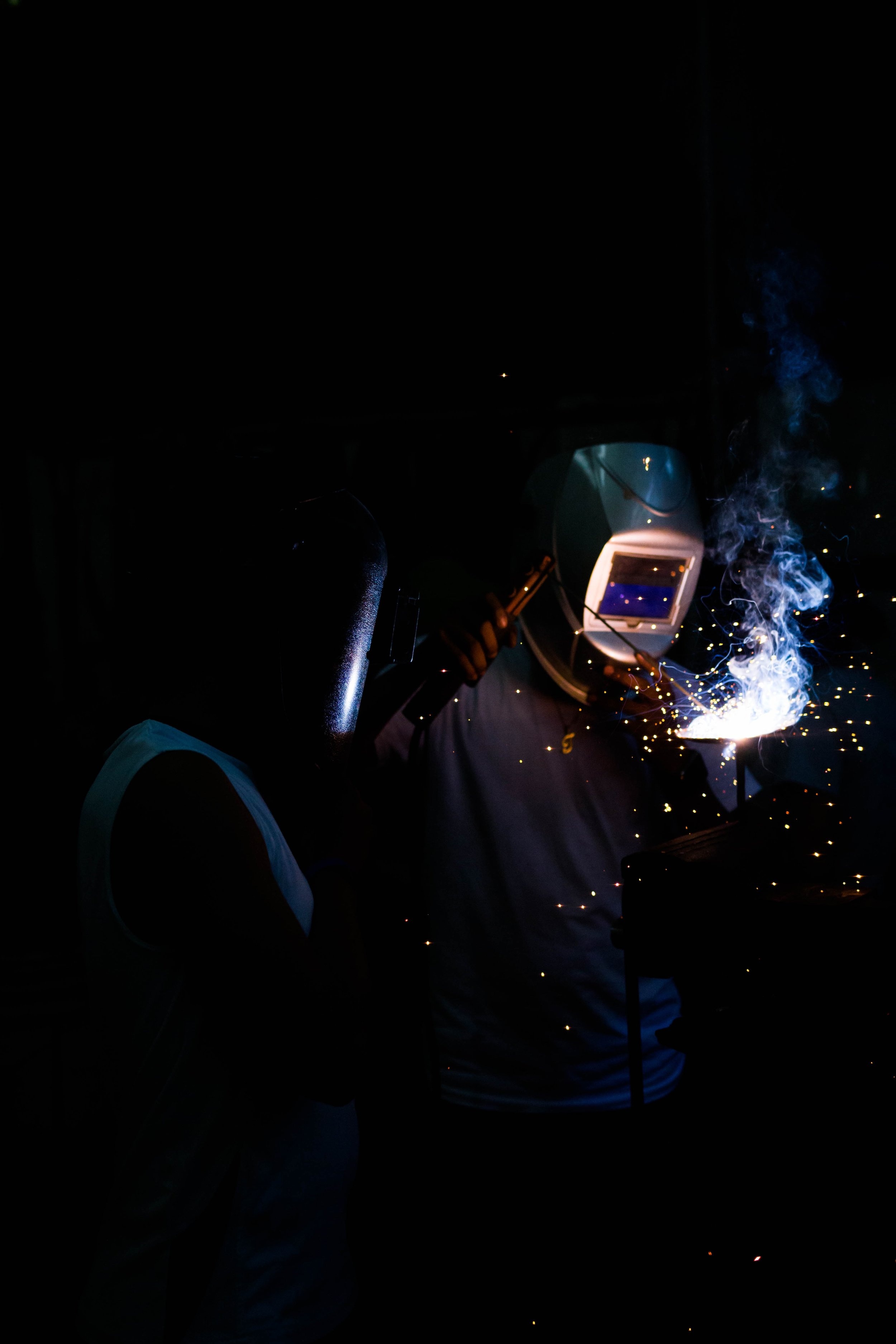
Employee Drug Testing as an Ineffective Safety Practice
Since President Reagan’s mandate for employee drug testing Federal employees in 1988, many private sector employers followed suit and continue to follow suit by testing their employees for drug use, especially in safety-sensitive industries like construction and manufacturing, under the impression that drug testing helps create and maintain a safe workplace.1
However, more and more employers are beginning to recognize the limitations and detriments of relying on employee drug testing to enhance workplace safety, understanding that drug testing is not a preventative safety measure if it can be considered a safety measure at all.

Work Fatigue Symptoms
A report by the National Safety Council illustrates that over two-thirds of employees in all industries have reported work fatigue symptoms including feeling tired while at work.1
Half of employers in all industries have reported finding employees asleep on the job,1 but at the same time tend to think that less than one-third of their employees are at risk for fatigue.2
Interestingly, employers overwhelmingly thought work fatigue was a safety issue, but their employees were less likely to agree.1
-1.webp)
Empower a Safer Workforce
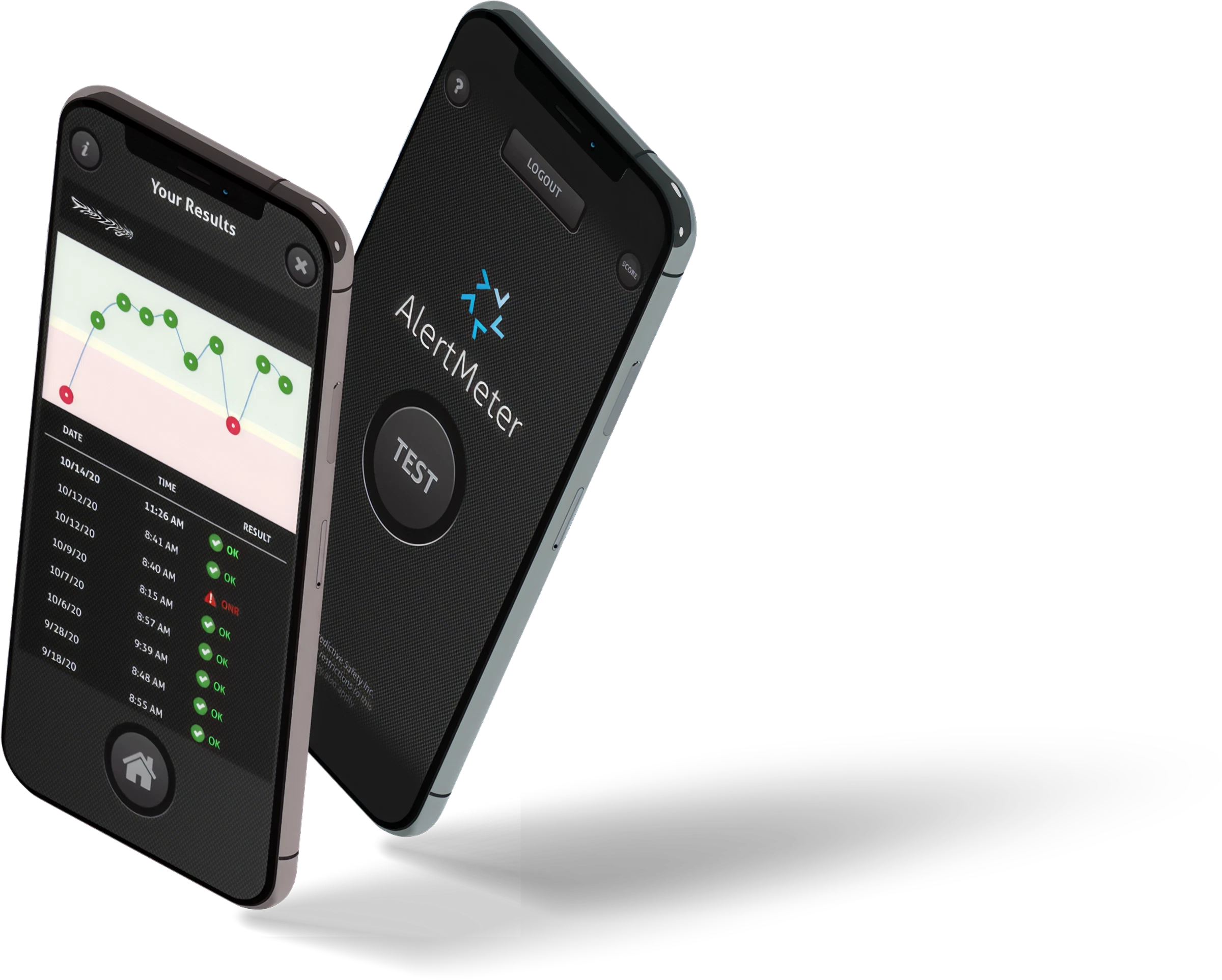
Discover how Predictive Safety can help you create a safer, more productive workforce, even during a historically tight labor market and high demand.