%201.svg)
Blogs
FATIGUE MANAGEMENT &
IMPAIRMENT DETECTION

Changing the Conversation: From Cannabis to Marijuana Impairment Test
A common subject of discussion in the workplace safety arena is the changing legal status of cannabis (marijuana) in many parts of the United States. Although there may be pros and cons to marijuana's legalization and many Americans favor it, many employers, workplace safety professionals, lawyers, and journalists are skeptical, if not downright anxious, about how marijuana's legalization may affect safety in American workplaces. But an issue with this skepticism and anxiety, however, is that the feelings are held without due consideration for the hazards to workplace safety already posed by common circumstances, only because they are not taboo or have not been illegal, and so the impact of legal marijuana becomes exaggerated to seem like a problem that employers would never be able to manage.

Cannabis Testing at Work: How Does AlertMeter help?
18 questions about AlertMeter®asked by companies during the “Cannabis Testing at Work" webinar.

An Occupational Impairment Example
About 3 years ago I flew to a city to attend a tradeshow and to stay with my adult son who lived there. But when I got to his apartment, he didn’t answer the door. I finally walked around the building and looked in a window and saw him slumped over on the couch, unconscious. I called 911. An hour later at the hospital emergency room, the doctor on call told me that my son had suffered an anoxic brain injury and they didn’t expect him to live.

Fitness for Work Evaluation and Remediation
Fitness for Work Evaluation
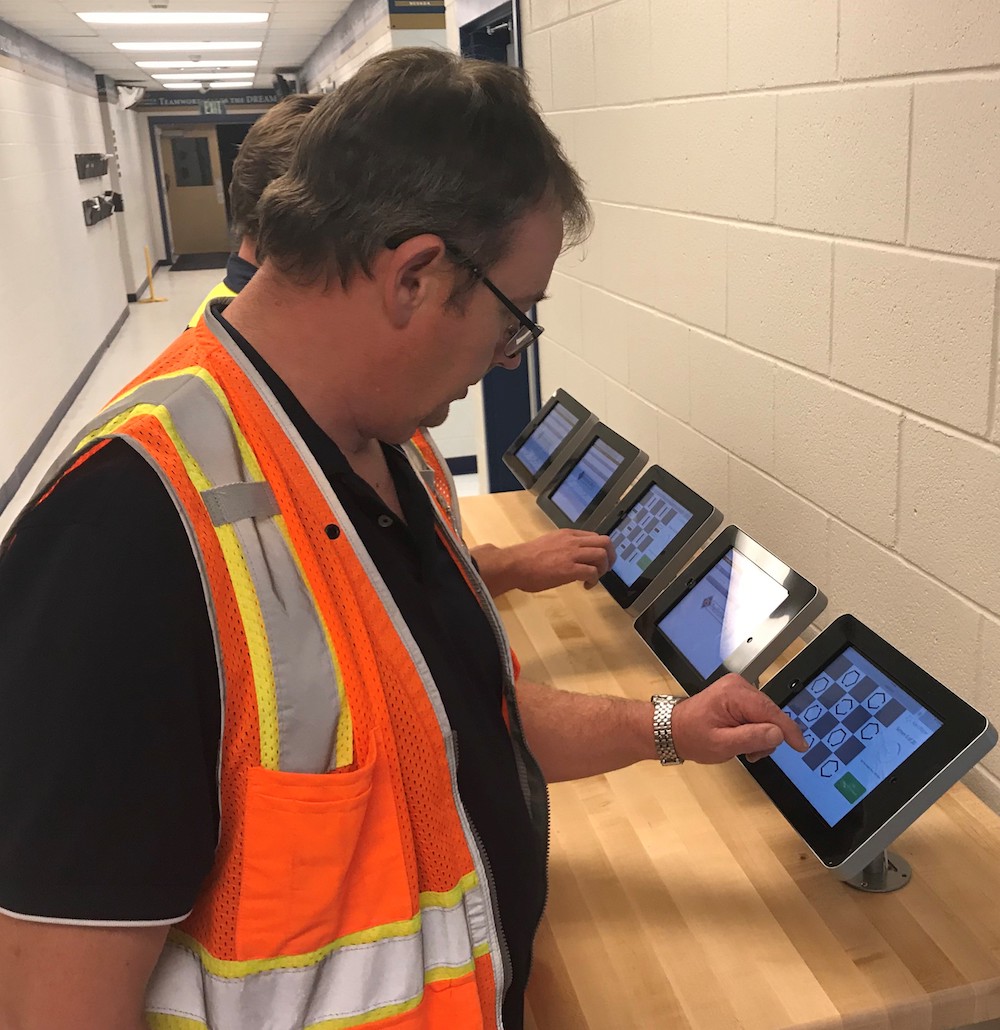
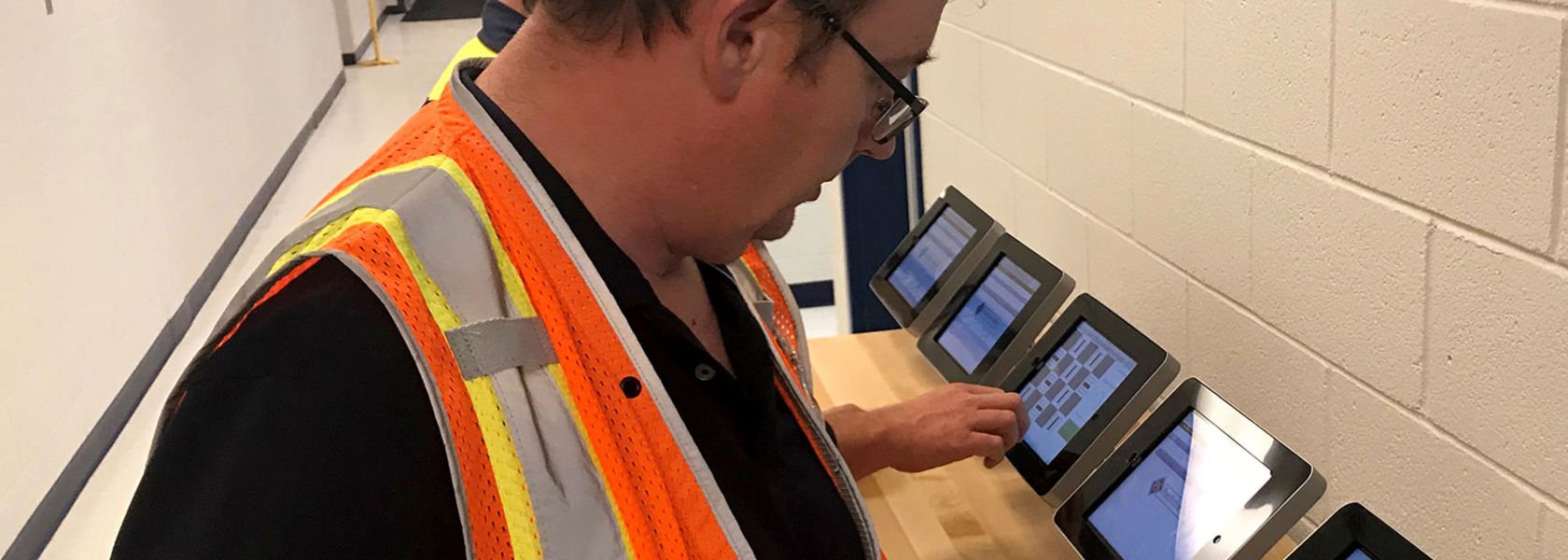
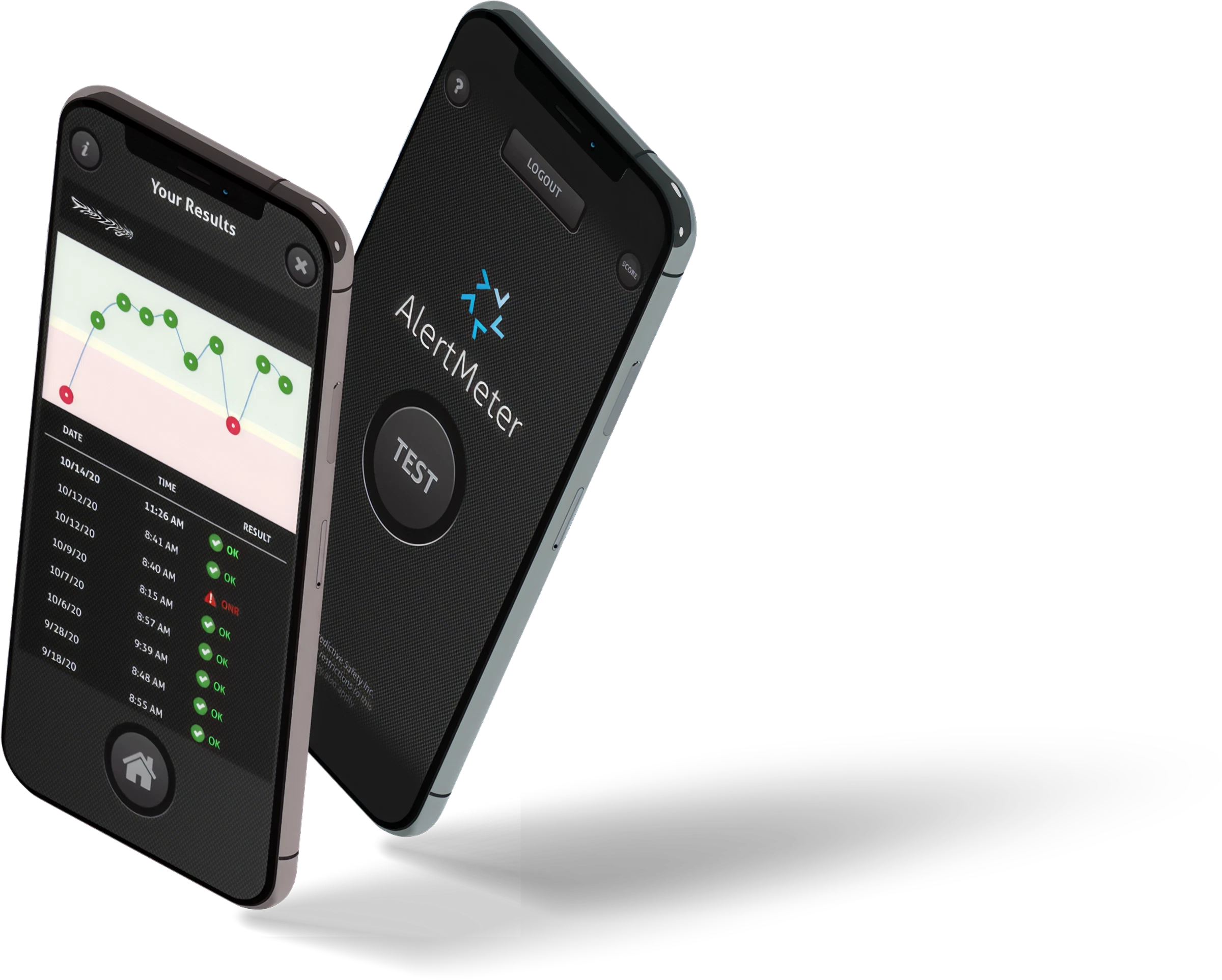
AlertMeter® is an an app that allows you to run a fitness for work evaluation process. It’s sensitive to a number of issues that diminish alertness. When an employee's AlertMeter® performance suggests that he or she may be experiencing diminished alertness and may be impaired or not fit for work, their test score is considered Outside Normal Range, or "ONR." So what should happen when an employee scores ONR on the AlertMeter® test and is identified as not being fit for work?
What is Occupational Impairment? Here's Why Drug Testing Isn't Enough
Many believe drug testing programs are the only way to prevent occupationally impaired employees from posing a safety risk. This belief has been long justified because drug testing has been a staple of human resources practices for decades, and a lack of practical alternatives has cemented these beliefs.
-1.webp)
Empower a Safer Workforce
Discover how Predictive Safety can help you create a safer, more productive workforce, even during a historically tight labor market and high demand.