%201.svg)
Blogs
FATIGUE MANAGEMENT &
IMPAIRMENT DETECTION

3 Fatigue Technologies and Why You Need Them
Fatigue Management can significantly impact a company’s ability to keep its employees safe. Even though it’s a relatively new science, silos of fatigue technologies have already been defined and can confuse someone who doesn’t know the options.
Whereas consulting services are often located through personal referral and word of mouth and may be customized for the client, the right technologies for the job can be difficult for a newcomer to understand and compare.
Predictive Safety Partner GetHomeSafe Wins Innovation Award For Their Journey Management Industrial Safety App
Predictive Safety’s partner GetHomeSafe has been awarded The Grand Business South Innovation Award for their Journey Management Industrial Safety App making sure workers get “Home Safe” every day!
4 Steps to Fatigue Risk Management - a Fatigue Risk Management Template
Workplace fatigue awareness has been on the rise ever since fatigue was found to be a contributing factor in incidents like the Exxon Valdez oil spill, the Chernobyl disaster, and the Challenger explosion. Many of today's safety-sensitive workplaces recognize the risk, costs, and dangers associated with workplace fatigue. For example, lost productivity due to fatigue is estimated to cost employers $136 billion a year. (NSC)

6 Fatigue Countermeasures
Generally, a countermeasure is an action taken to reduce or avoid the effects of an undesirable condition or situation. In managing fatigue, appropriate countermeasures can help improve alertness, maintain performance, and reduce drowsiness.
Taking appropriate fatigue countermeasures at appropriate times should be a cornerstone of a fatigue risk management system (FRMS), and understanding more about effective fatigue management is a foundation for better employee well-being overall.

Fatigue in the Workplace: Myths vs. Realities
Even though there is plenty of information showing the serious risk that fatigue in the workplace presents, it is not commonly recognized as the significant risk to safety and productivity that it really is--at least not until a fatigue-related safety incident occurs in our workplaces.

23 Night-Shift Tips to Boost Shift Safety and Productivity in the Workplace
Shift-Workers
15% of the U.S. full-time workforce works shifts outside the typical 9-5 day schedule. These workers are at increased risk of fatigue and shift-work disorder.
Further, a large portion of these workers work in safety-sensitive industries such as transportation, construction, healthcare, utilities, mining, aviation, agriculture, manufacturing, etc. Fatigue and shift-work disorder, if left unmanaged, could pose serious safety threats and reduce the productivity and performance of these workers.
-1.webp)
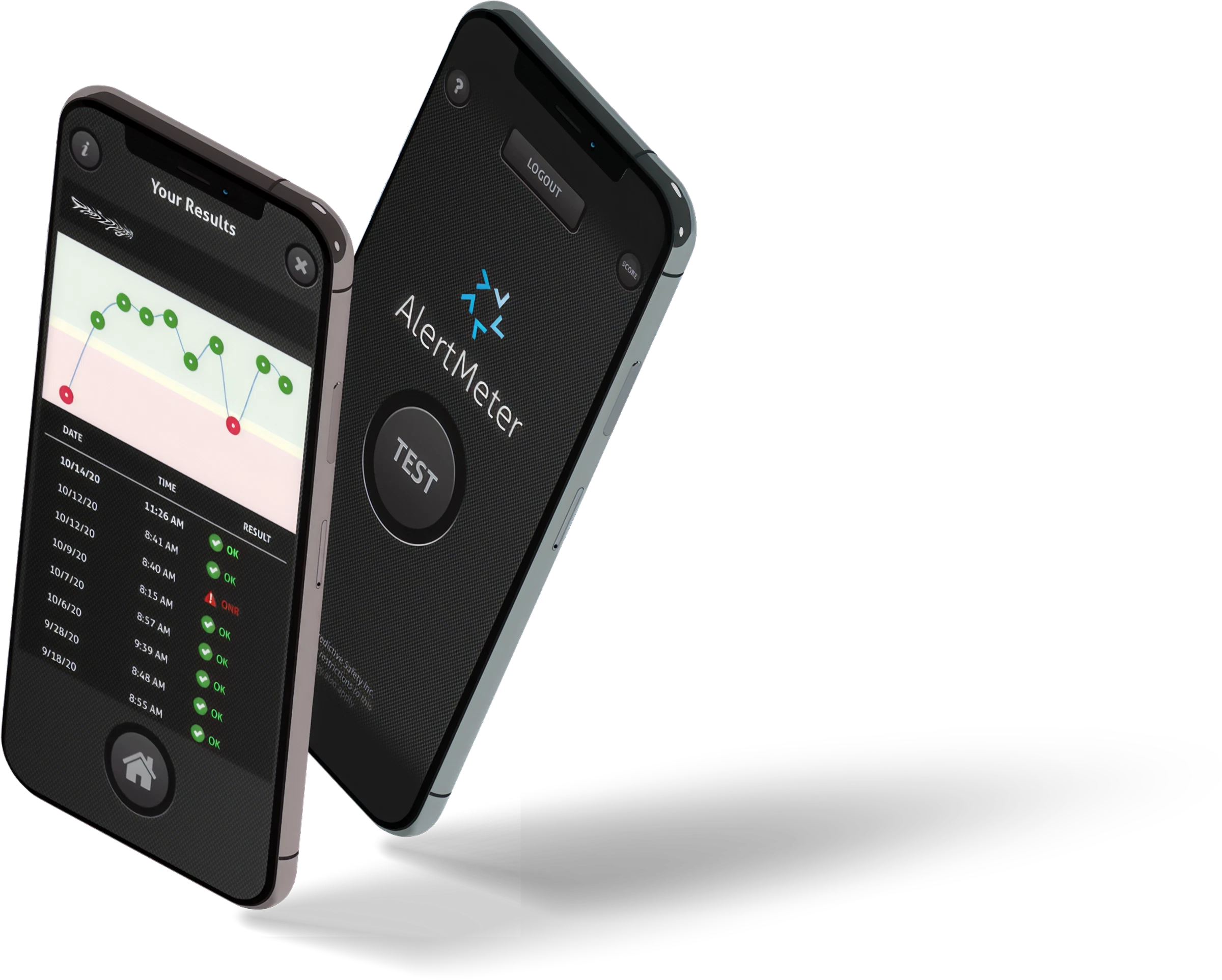
Empower a Safer Workforce
Discover how Predictive Safety can help you create a safer, more productive workforce, even during a historically tight labor market and high demand.