%201.svg)
Blogs
FATIGUE MANAGEMENT &
IMPAIRMENT DETECTION

Work Fatigue Symptoms
A report by the National Safety Council illustrates that over two-thirds of employees in all industries have reported work fatigue symptoms including feeling tired while at work.1
Half of employers in all industries have reported finding employees asleep on the job,1 but at the same time tend to think that less than one-third of their employees are at risk for fatigue.2
Interestingly, employers overwhelmingly thought work fatigue was a safety issue, but their employees were less likely to agree.1

NSC Impairment Detection Technology & Workplace Safety Report
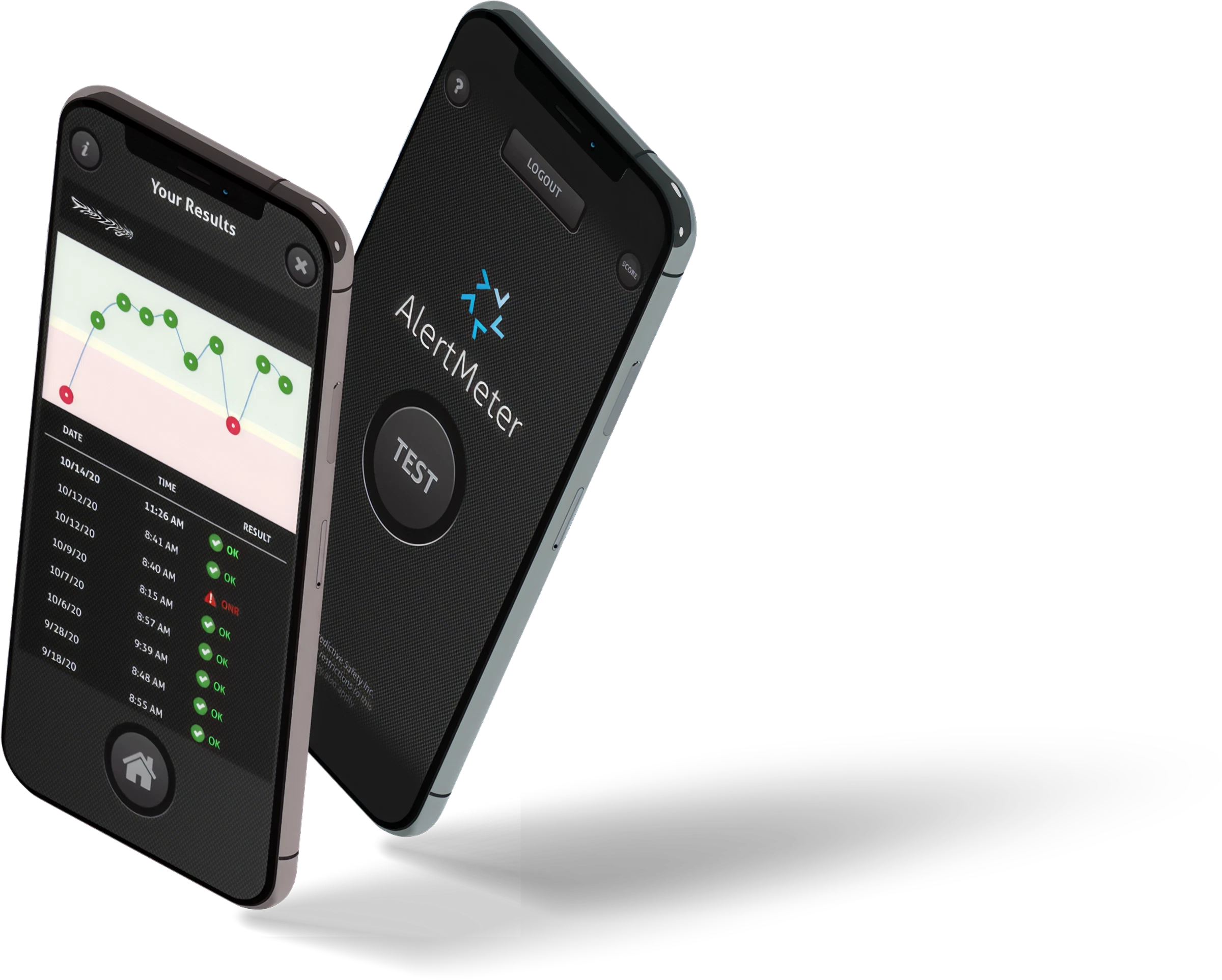
The National Safety Council (NSC) recently published its Impairment Detection Technology & Workplace Safety Report. We are honored to have our technology The AlertMeter® included in the analysis.
Below are the key takeaways, potential benefits, and summary of the entire report.
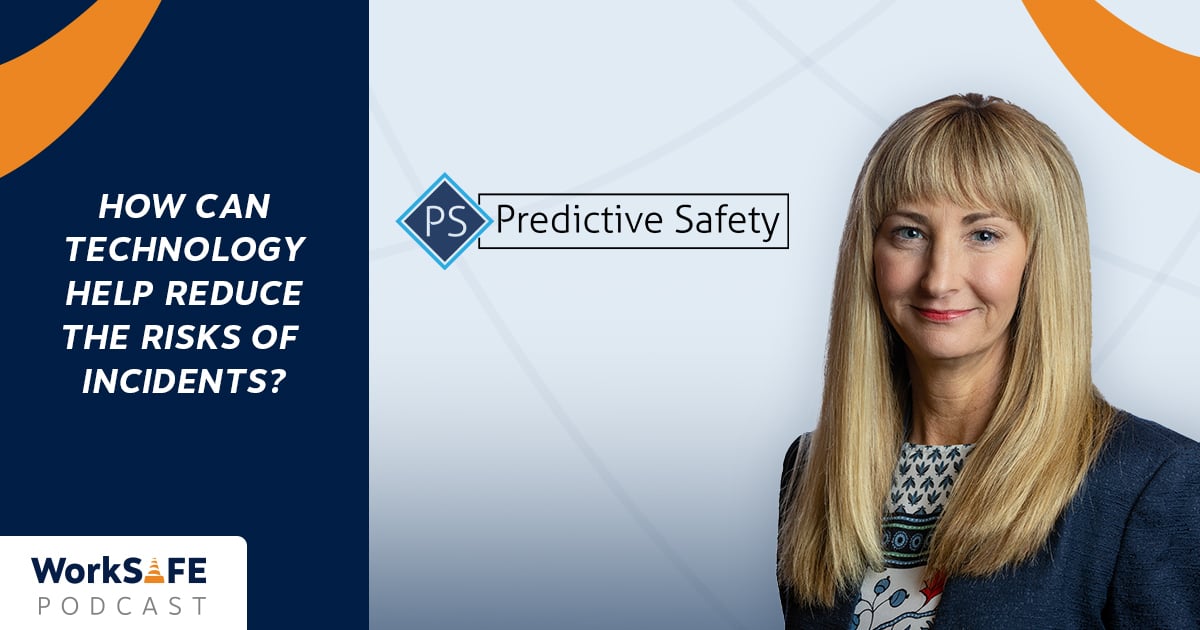
Predictive Safety Featured On the WorkSAFE Podcast: Tech Designed to Stop Fatigue Impairment Risk in Its Tracks
Predictive Safety’s CEO Jeff Akers and CRO Jeff Sease were recently guests on the most recent WorkSafe Podcast talking about our fatigue management solutions and how we are transforming safety cultures throughout the world with our proactive solutions.

Fatigue Risk Management Without Regulatory Guidance
OSHA is aware of fatigue’s impact on workplace safety and the risk inherent in fatigued workers. The OSHA web site provides compelling data and examples demonstrating it. For example, a safety incident is 30% more likely to occur during night shifts, and worker fatigue was a factor in the nuclear accidents at both Chernobyl and Three Mile Island as well as in the explosion of the space shuttle Challenger.
In Fatigue Risk Management, Understanding Regulations Vs Responsibilities is Vital
The dangers presented by fatigue risk are becoming more widely understood. As a result, some specialized US government agencies, like the Federal Aviation Administration and the Federal Motor Carrier Safety Administration, have regulations that aim to limit work hours in order to reduce fatigue risk, and some states have laws preventing nurses from working mandatory overtime.
6 Reasons Why Your Company Needs to Manage Work Fatigue and Impairment (Part 2)
There are numerous reasons why managing work fatigue and impairment in your workplace is key to enhancing safety, performance, and employee morale.
Here are the final three in a list of six that is not only crucial but also universally applicable. If you still need to read the first three, click here.
6 Reasons Why Your Company Needs to Manage Work Fatigue and Impairment (Part 1)
There are numerous reasons why managing work fatigue and impairment in your workplace is key to enhancing safety, performance, and employee morale.
Here are the first three of a list of six that is not only crucial but also universally applicable.
1 - Workplace Safety Regulations Cannot Include Mandates for Work Fatigue Management Because not all Fatigue is Work-related.
-1.webp)
Empower a Safer Workforce
Discover how Predictive Safety can help you create a safer, more productive workforce, even during a historically tight labor market and high demand.