%201.svg)
Blogs
FATIGUE MANAGEMENT &
IMPAIRMENT DETECTION

Measuring Safety Culture
Broadly, culture refers to the ways in which people interact with each other. This includes things like the modes and methods of their communication, the expectations and the norms of their behavior, and their commonly held values, beliefs, and knowledge. Culture can be examined across entire demographics or geographical and political regions, like nerd culture or American culture, and it can also be seen at smaller and more specific levels, like within a workplace.

Leading and Lagging Safety indicators
Safety-sensitive workplaces often analyze safety performance metrics with leading and lagging safety indicators. The ability of managers and supervisors to identify these leading and lagging indicators and use them to influence workplace safety procedures is key in improving workplace safety and productivity.

AlertMeter® Industrial Safety Case Study
A Supervisor's Plight
A foreman for a large construction and engineering company named Mitchell supervises a crew of about thirty workers. He can remember the names of only a few of his crew, just those who have stuck around long enough to develop a rapport with him. But the remaining members of his crew have lately been an ever-changing assortment of people, most of whom have little experience in this kind of work, if any.

Management of Change (MOC) in Safety Processes
Making beneficial changes to a safety system or process often appears straightforward. But when implementing changes gets underway, organizations often encounter snags and obstacles that impede the change's success, and this process often exposes differing perceptions and misaligned commitments regarding safety among employees, supervisors, and managers.
-1.webp)
Empower a Safer Workforce
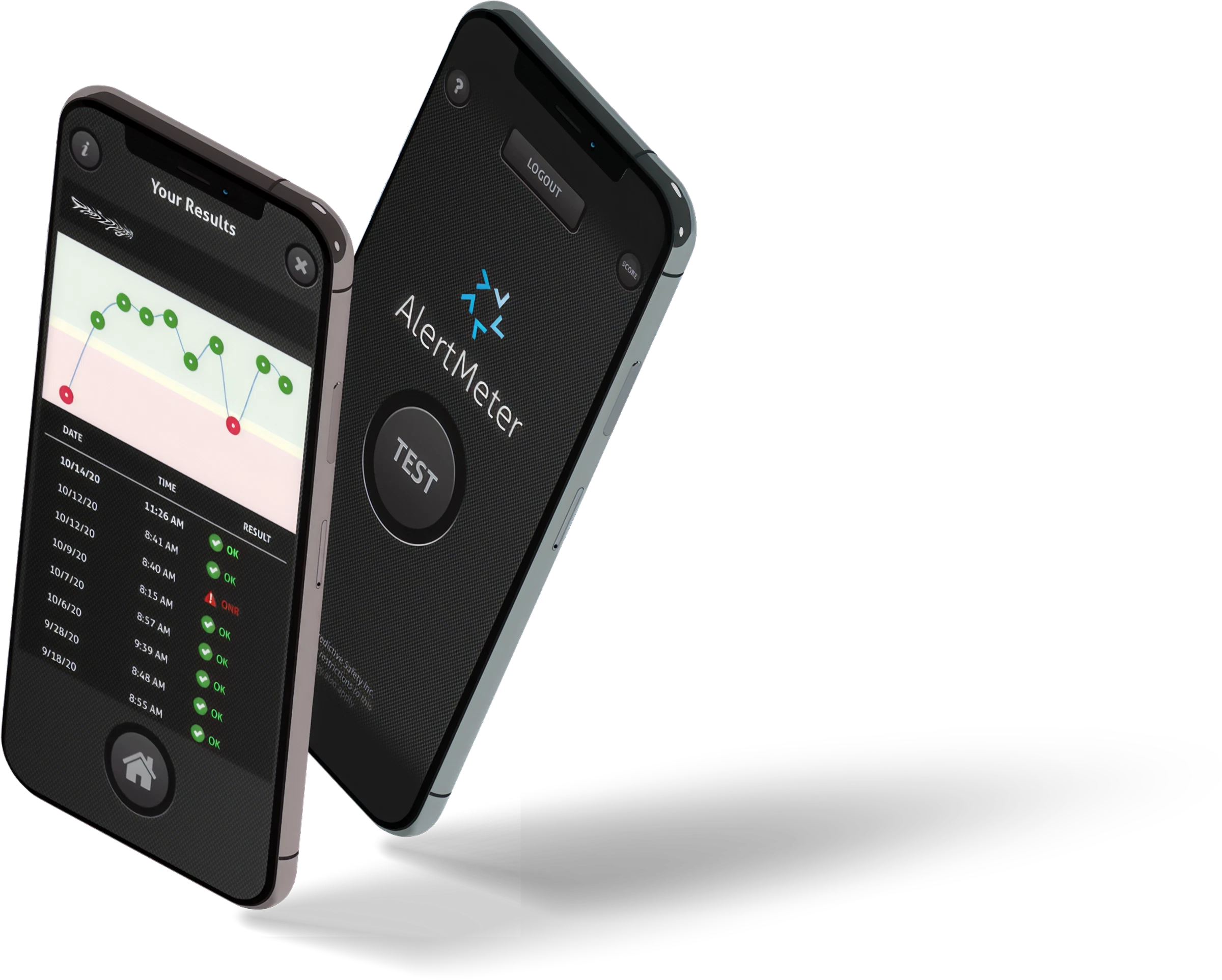
Discover how Predictive Safety can help you create a safer, more productive workforce, even during a historically tight labor market and high demand.