%201.svg)
Blogs
FATIGUE MANAGEMENT &
IMPAIRMENT DETECTION
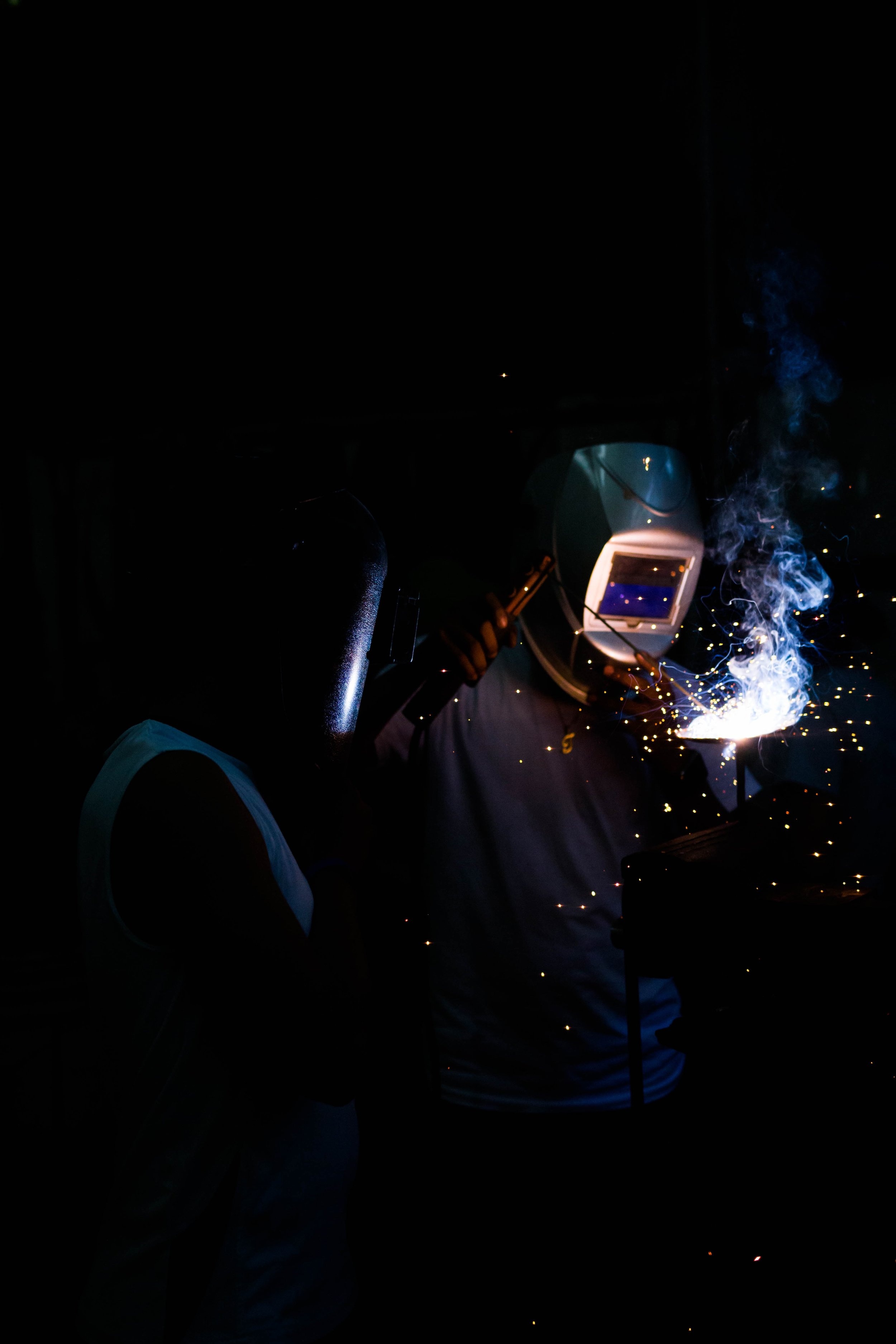
Employee Drug Testing as an Ineffective Safety Practice
Since President Reagan’s mandate for employee drug testing Federal employees in 1988, many private sector employers followed suit and continue to follow suit by testing their employees for drug use, especially in safety-sensitive industries like construction and manufacturing, under the impression that drug testing helps create and maintain a safe workplace.1
However, more and more employers are beginning to recognize the limitations and detriments of relying on employee drug testing to enhance workplace safety, understanding that drug testing is not a preventative safety measure if it can be considered a safety measure at all.

How to Introduce New Safety Measures
An organization's managers and leaders can—and should—be the greatest advocates for the safety of the front-line personnel. Openness to new technologies and best practices is key to that advocacy and a defining characteristic of a robust safety system designed for continuous improvement.
.jpg)
Can AI be a Safety AND Productivity Solution?
Managing the Hidden Threat to Safety and Productivity: Fatigue
Safety is a great concern on every worksite, and fatigue is detrimental to safety. According to NIOSH (the National Institute for Occupational Safety and Health), one of the strongest predictors of the potential for a worksite accident is worker fatigue.
Among the threats are a reduced capacity to focus and slowed reaction times. As fatigue increases, it has a negative impact on concentration, can impair judgment, and is detrimental to short-term memory. The sensations of tiredness or weariness, and a lack of energy can significantly reduce a worker’s ability to produce.

Bottom-Line Benefits of a Positive Safety Culture
Benefits of a Positive Safety Culture to Your Bottom Line
A positive safety culture promotes sound production and operation compliance that protects all teams and all aspects of the business. From C-suite to managers to workers, a positive safety culture advocates watchful conditions that keep everyone safe.
When a safety culture is lacking, the risk is complacency and corner-cutting rather than conscientious, compliance, and a commitment to contributing to the whole. Workers arrive not ready or fully willing to work but are in position anyway, sitting behind equipment or monitoring operations without being fully present and/or even quantifiably impaired.

3 Myths About Workplace Safety
Often, efforts toward continuous workplace safety improvement get discarded because of what we prefer to believe about our workforce's fitness for duty, rather than what we actually know about it. The truth is that without an objective way to measure the factors that contribute to improving workplace safety, we can’t determine trend directions and take corrective actions that prevent the factors that reduce productivity and create workplace hazards. We know that fatigue is a leading cause of workplace accidents, yet most companies don’t have active fatigue monitoring and management systems.

Recognizing Impairment in the Workplace
Workplace impairment is a serious and sometimes confusing topic. The causes of impairment are varied, the effects mixed and remediation efforts, until now, have been difficult to implement.
This guide to Workplace Impairment is designed to answer your questions and get your organization on the right track.
-1.webp)
Empower a Safer Workforce
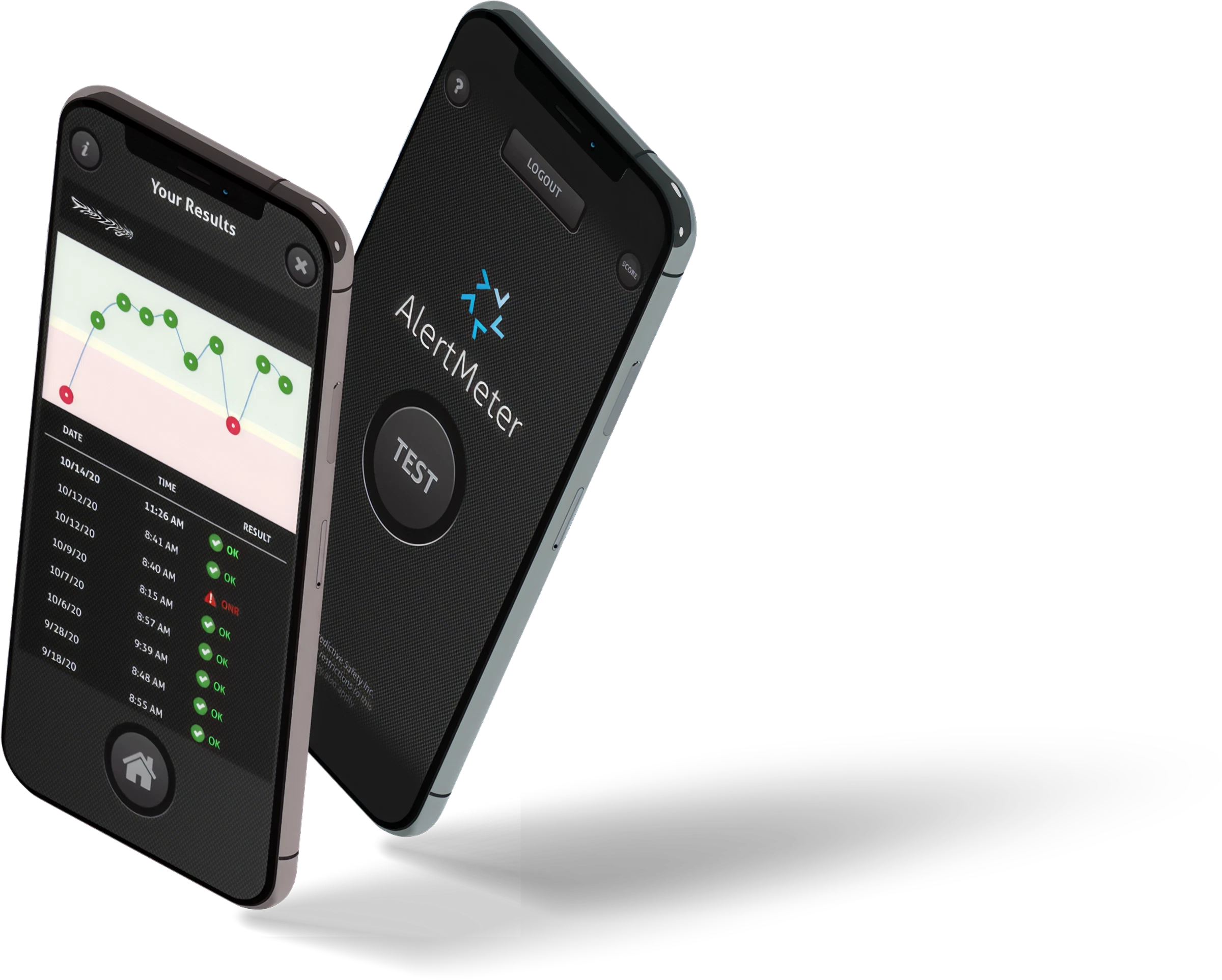
Discover how Predictive Safety can help you create a safer, more productive workforce, even during a historically tight labor market and high demand.