%201.svg)
Blogs
FATIGUE MANAGEMENT &
IMPAIRMENT DETECTION
Industries That Benefit From Predictive Risk Management
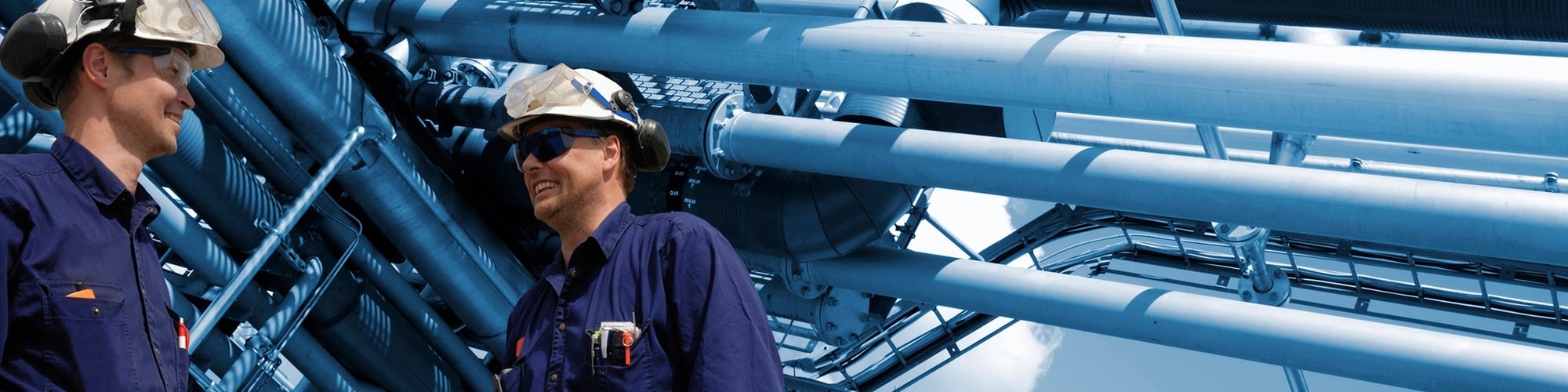
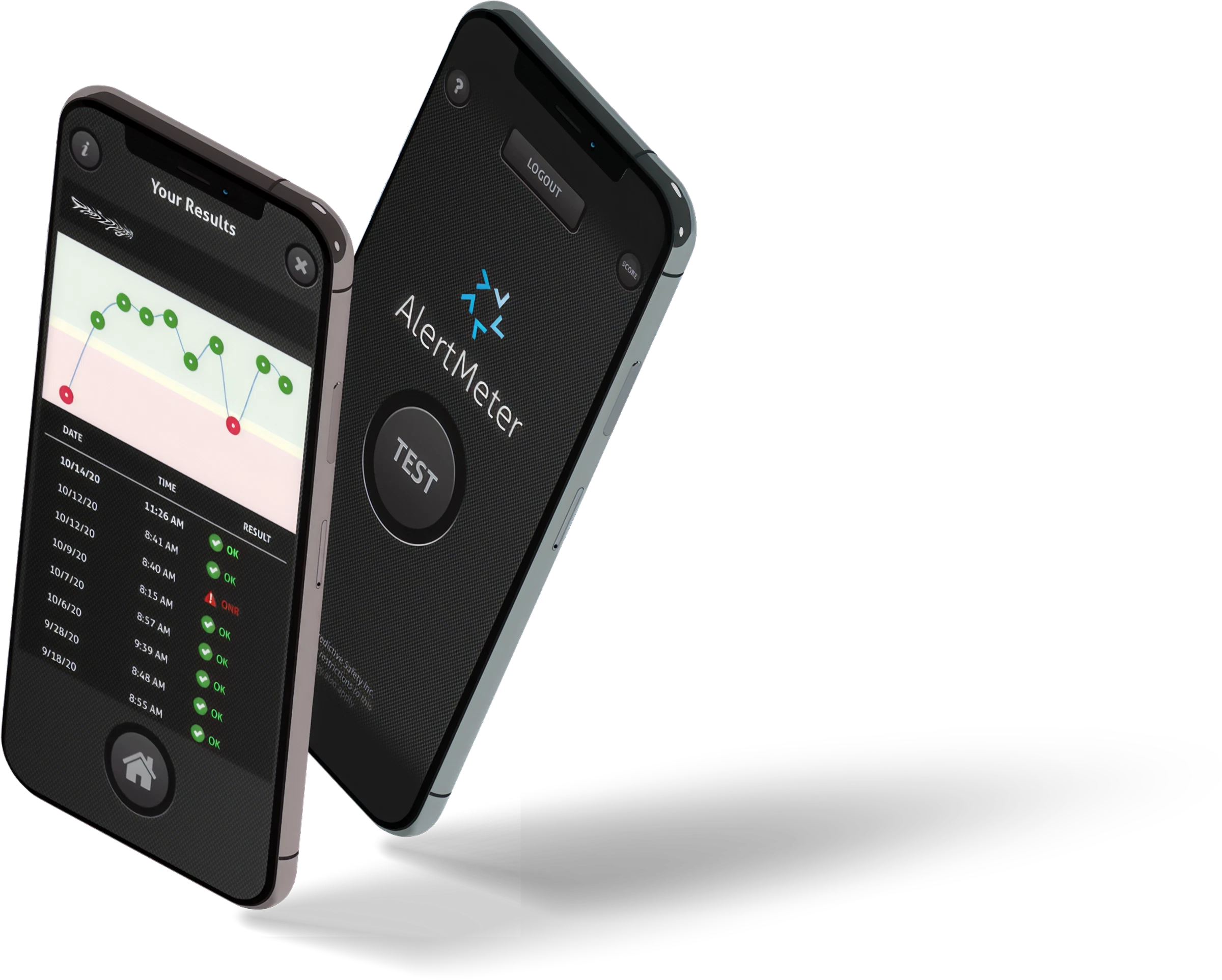
Some employers and safety pros may assume that the predictive risk management tool, AlertMeter® alertness testing is intended and appropriate only for certain industries, such as those in which employees have a certain degree of autonomy; clock in/out in the same place; and where risk from fatigue and impairment extremely apparent.
However, predictive risk management is not industry-specific. It is used in industries ranging from healthcare to mining, and provides valuable insight for any company with human employees.

3 Ways Great Operations Managers Increase Productivity And Safety At Work
While many of us spent the last few months lounging blissfully in our homes, sipping coffee out of our favorite mugs, and tapping away on our laptops, we felt fortunate that the “new normal” didn’t wreck our businesses. We were still productive and efficient from home, we didn’t have to wear shoes, and we didn’t have to pay for office space.
For others, remote work was never an option. Businesses came to a halt. Workers were left hanging.
Avoiding Accidents in the Workplace vs. Preventing Accidents in the Workplace
Avoiding Accidents in the Workplace vs. Preventing Accidents in the Workplace
All people and animals are reactive by nature—We sense stimuli, and our brains process these stimuli and prompt reactions in thought or behavior. As such, reacting to hazards and dangerous situations is a natural and instinctual way we try to stay safe in all aspects of life.
But we can often conflate avoiding accidents in the workplace with preventing them, using the latter term when the former is more appropriate. Avoiding a workplace accident suggests that while no harm or damage occurred, the conditions were right and an accident could have happened.

Predictive Analytics in Workplace Safety - Understanding Leading Vs. Trailing Safety Indicators
Good sense dictates that we should learn lessons from our mistakes so we avoid making them a second time. But must we always make a mistake before the lesson can be learned? Take the curious child who touches the hot stove after having been warned. Some of us may have even been that child once upon a time, unwilling to trust Mom’s warning at face value. We had to see for ourselves.

What's the Science Behind Impairment Testing?
Workplace impairment is a serious and sometimes confusing topic. The causes of impairment are varied, the effects mixed and remediation efforts, until now, have been difficult to implement.
This guide to Workplace Impairment is designed to answer your questions and get your organization on the right track.

23 Night-Shift Tips to Boost Shift Safety and Productivity in the Workplace
Shift-Workers
15% of the U.S. full-time workforce works shifts outside the typical 9-5 day schedule. These workers are at increased risk of fatigue and shift-work disorder.
Further, a large portion of these workers work in safety-sensitive industries such as transportation, construction, healthcare, utilities, mining, aviation, agriculture, manufacturing, etc. Fatigue and shift-work disorder, if left unmanaged, could pose serious safety threats and reduce the productivity and performance of these workers.
-1.webp)
Empower a Safer Workforce
Discover how Predictive Safety can help you create a safer, more productive workforce, even during a historically tight labor market and high demand.