%201.svg)
Blogs
FATIGUE MANAGEMENT &
IMPAIRMENT DETECTION

Workplace Accidents - Why Do They Keep Happening?
How Many Workplace Accidents Are Too Many?
When trying to gather interest in our services from business leaders in high-hazard industries, a colleague heard from at least one executive that said his company “did not have that many injuries” to justify improving its safety system. But how many is “that many”? Would the injured employees agree with him that the company’s safety system was sufficient to protect them? How many injuries are acceptable before the safety system is considered ineffective, and why should any number of injuries be allowable at all?
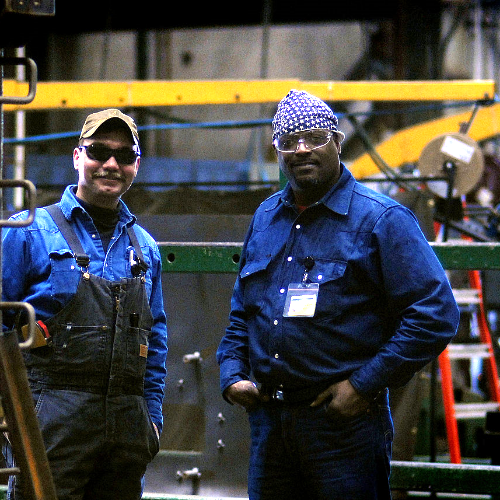
To Increase Safety and Productivity, Focus On The Front Line
The term “front line” first referred specifically to the line of soldiers closest to enemy territory or the enemy itself. Imagine, for instance, the legionaries of ancient Rome forming an unbroken wall of great red shields, leading rows upon rows of the army’s soldiers, pushing forward with incisive resolve, a mighty host of warriors dedicated to a solitary purpose.
“‘Focus on the front line’ is a twofold concept: management’s focus on the front line and protecting it, and the front line’s focus on safe performance of their job tasks.”
.jpg)
The Best Way To Safety Excellence
An article about warehouse safety that I recently came across asserted that following OSHA’s rules and regulations was the best way to avoid hazards in the workplace. Although following OSHA’s rules and regulations is obviously a good idea and would lead to better safety outcomes than not following them, asserting that regulatory compliance alone is the best way to achieve safety excellence is shortsighted.

Safety Issues Associated with Commercially Available Energy Drinks
Since Red Bull's introduction to the U.S. market in 1997, energy drinks have become common in many diets around the world.
In fact, one study in Europe revealed that as many as 30% of adults over 18 consume energy drinks regularly.1
Energy drinks owe their success in part to the ways in which they are marketed-- as a way to combat tiredness at work.

Thwarting the Accident Cycle through Effective Safety Communication
For many safety professionals, determining the causes of incidents and near misses can be a frustrating process, especially when workers fear being reprimanded. This leads to finger-pointing and scapegoating, which does nothing to identify and address the actions, behaviors, and circumstances that led to the incident, nor does it help improve the safety system.
In fact, poor safety communication styles just compound existing issues that have contributed to a negative safety culture.

-1.webp)
Empower a Safer Workforce
Discover how Predictive Safety can help you create a safer, more productive workforce, even during a historically tight labor market and high demand.